Gorakhpur Yuva Samvad 2025 गोरखपुर युवा संवाद, 2025
About the Conference
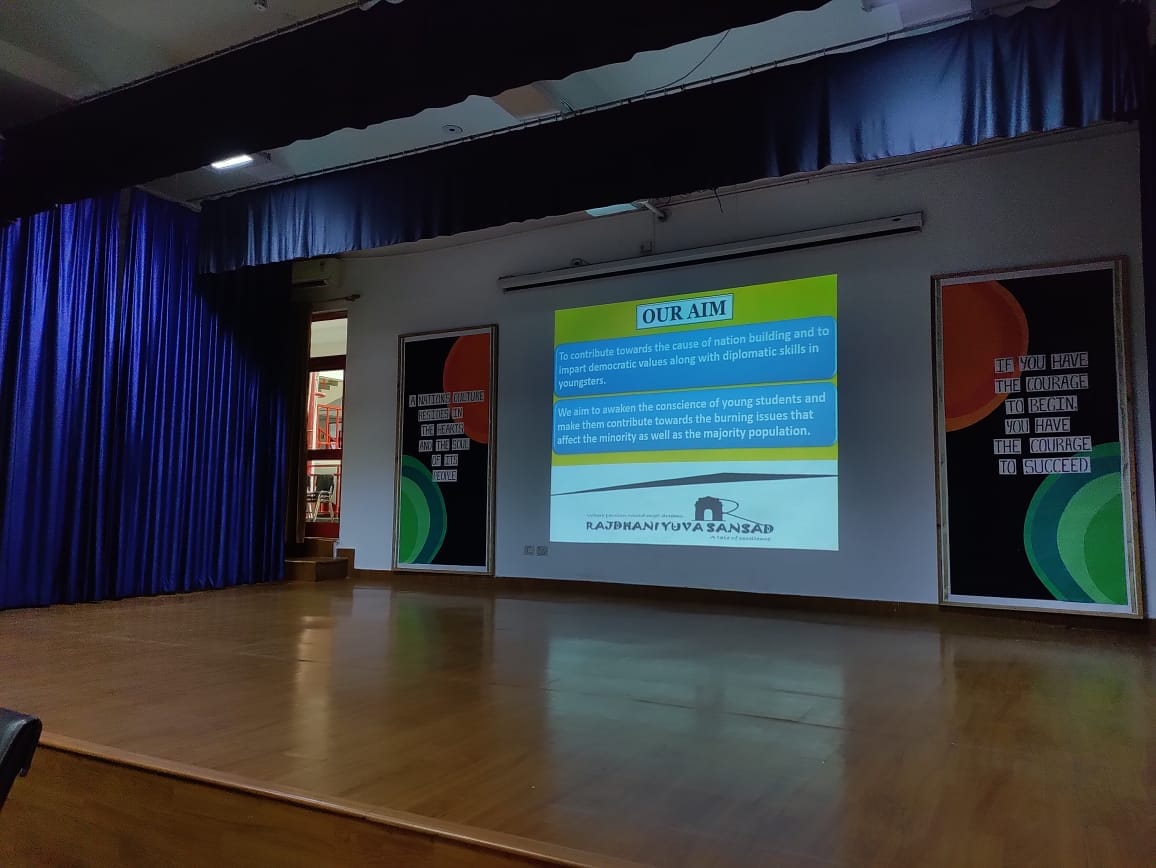
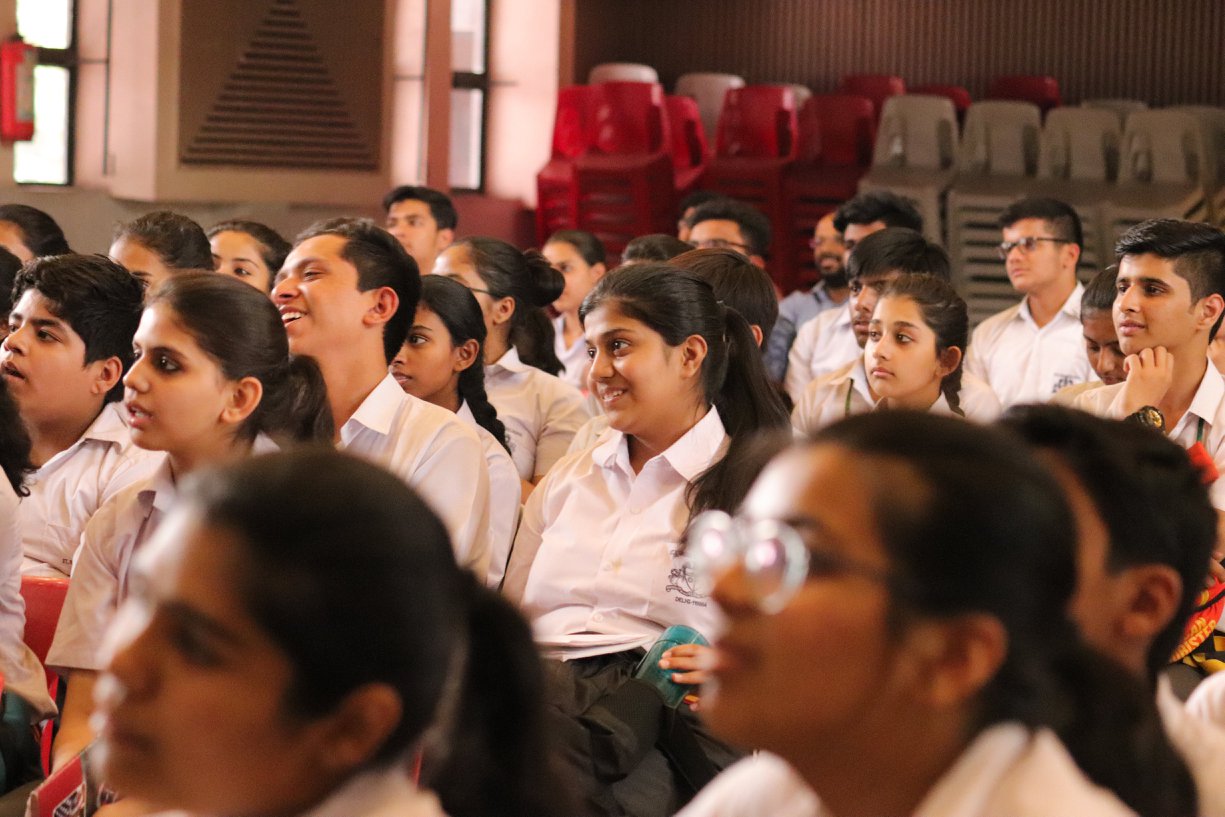
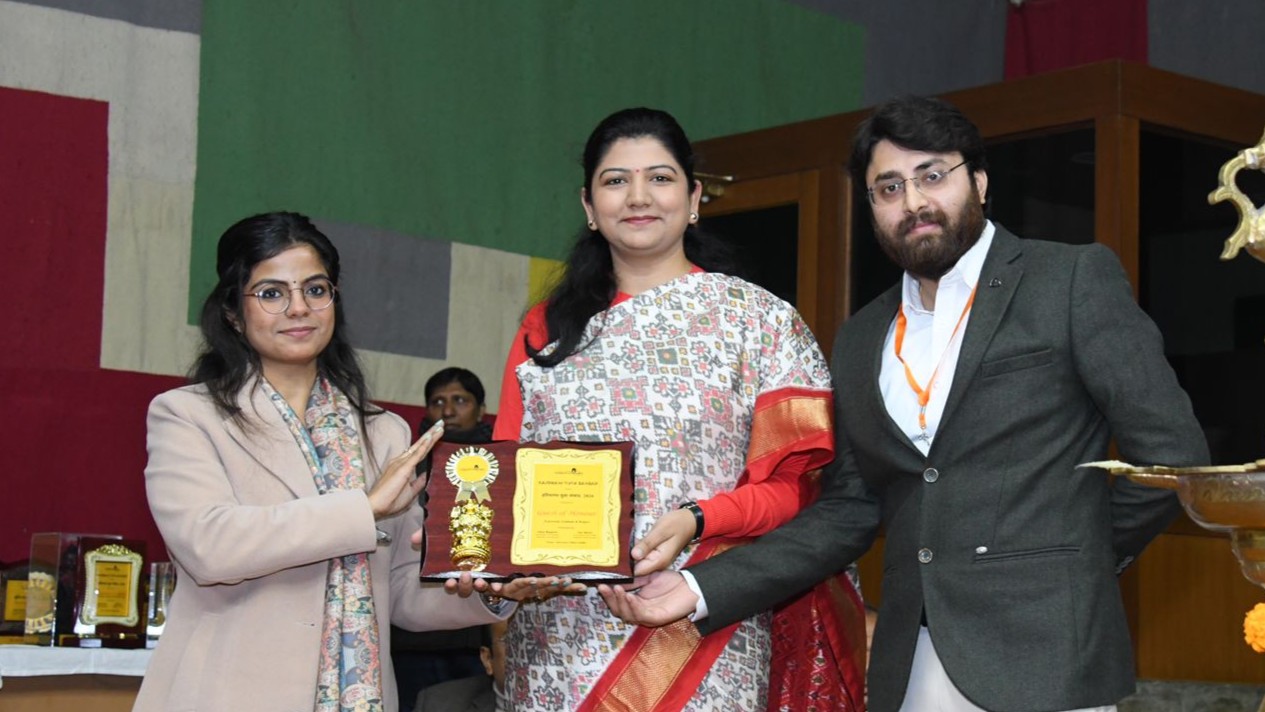
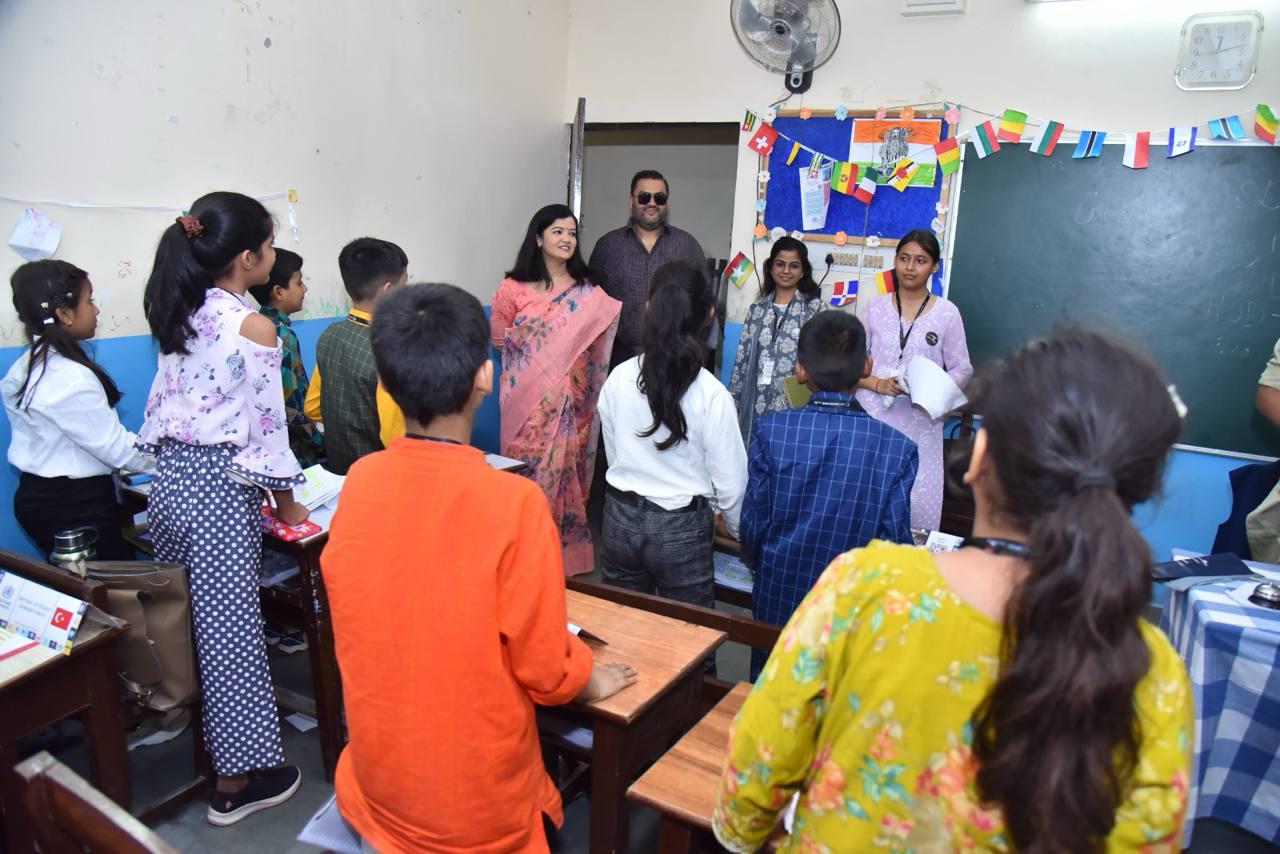
Gorakhpur Yuva Samvad, hosted at H.P. Children's Academy, Gorakhpur on 11–12 October 2025 in association with Rajdhani Yuva Sansad, marked a landmark moment as the first conference of its kind in East Uttar Pradesh.
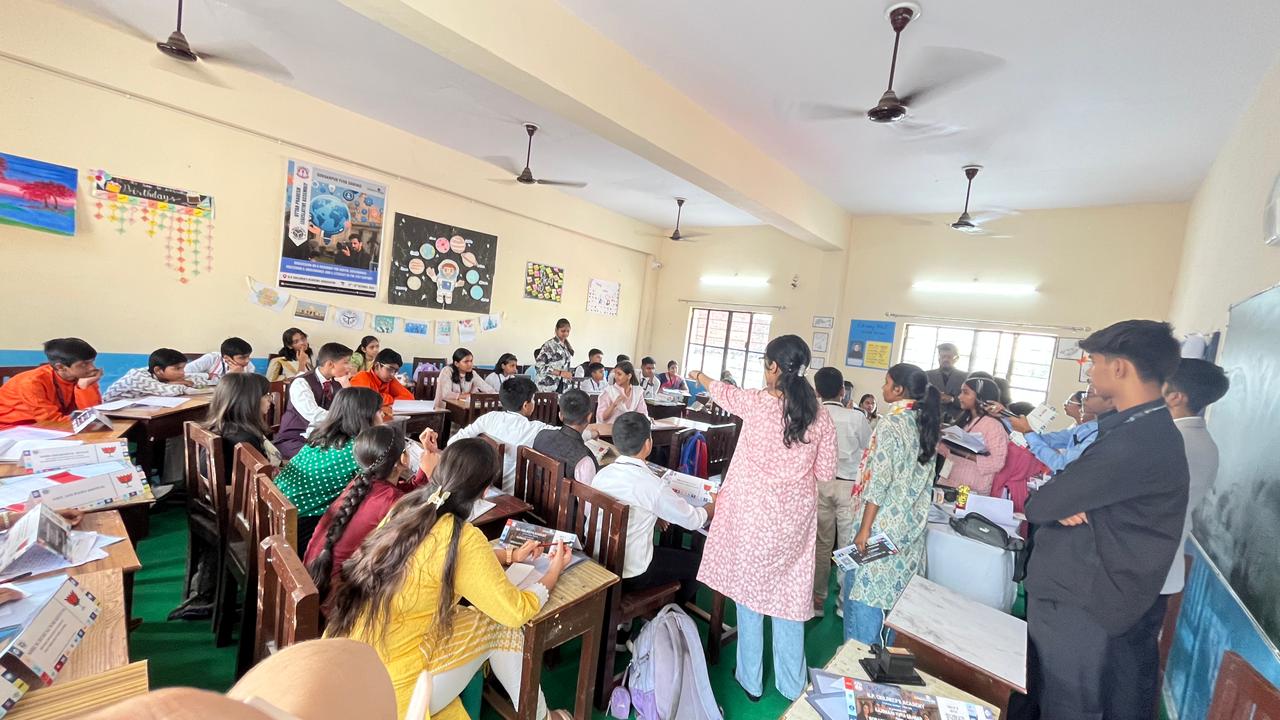
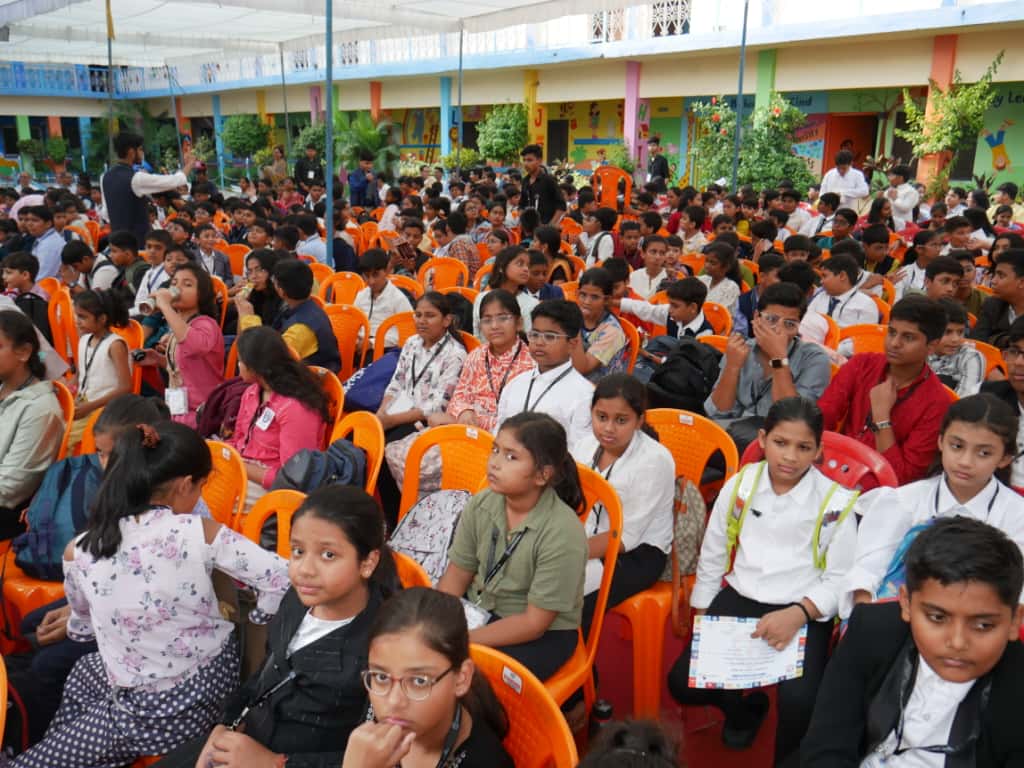
With over 1000 participants from Classes 4 to 12 across 19 diverse committees, it emerged as one of the largest and most impactful youth parliamentary confluences in India. The conference brought together enthusiastic young participants who demonstrated remarkable depth of thought, analytical ability, and leadership, setting a high benchmark for youth-led dialogue and engagement.
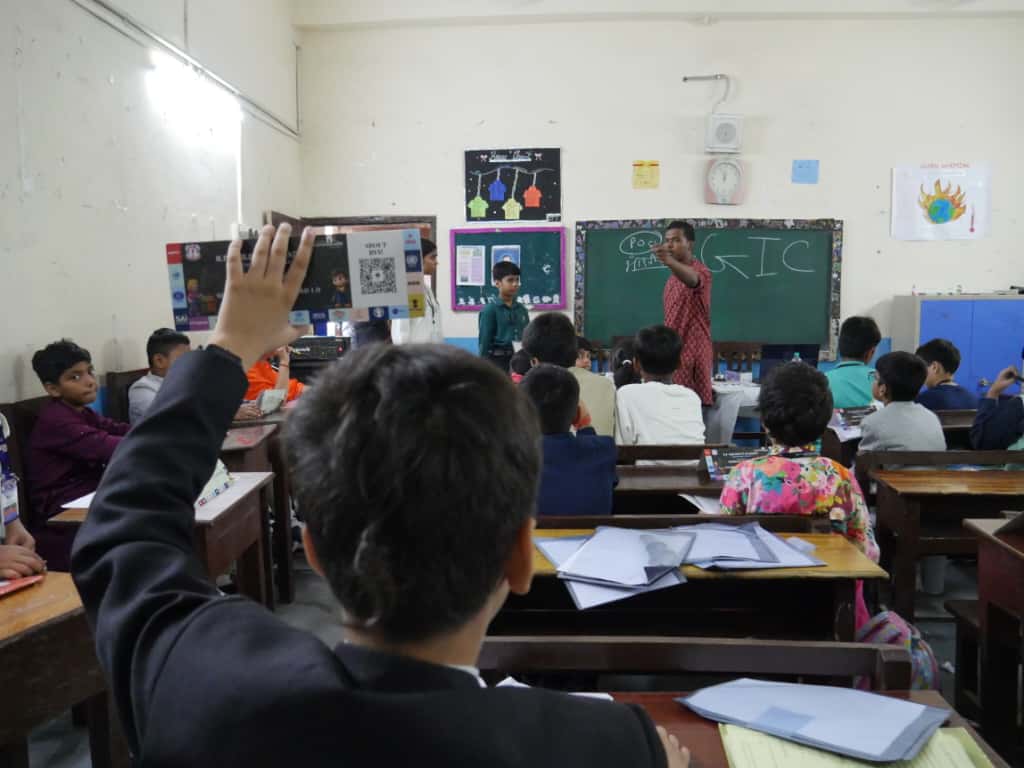
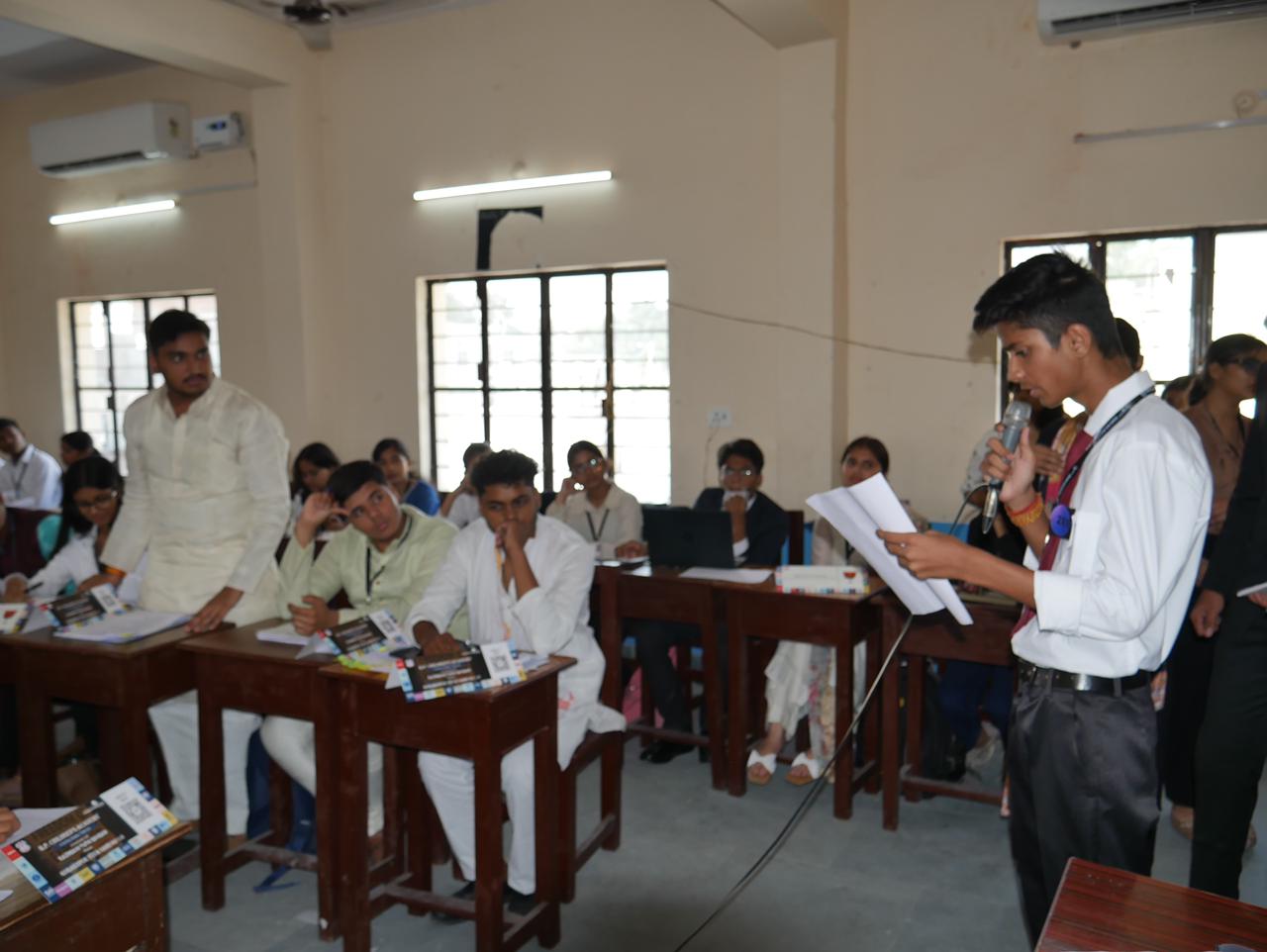
Over the course of two days, participants engaged in insightful deliberations on a wide range of national and international issues, showcasing diplomatic acumen and collaborative problem-solving.
The conference served as a vibrant platform for exchanging ideas, debating perspectives, and fostering innovation, while nurturing awareness, confidence, and civic responsibility among the youth. Gorakhpur Yuva Samvad ultimately concluded on an inspiring note, celebrating the power of young voices and reinforcing their role in shaping a more informed, inclusive, and forward-looking future.
What Made This Event Special
- First-ever youth parliamentary conference in East UP
- 1000+ students across 19 diverse committees covering Lok Sabha, UNGA, UNHRC, NITI Aayog, NCW, and more
- Multi-month preparation: July ice-breakers, August-September training, online doubt-clearing sessions
- Participants from Classes 4 to 12 — junior and senior-level committees
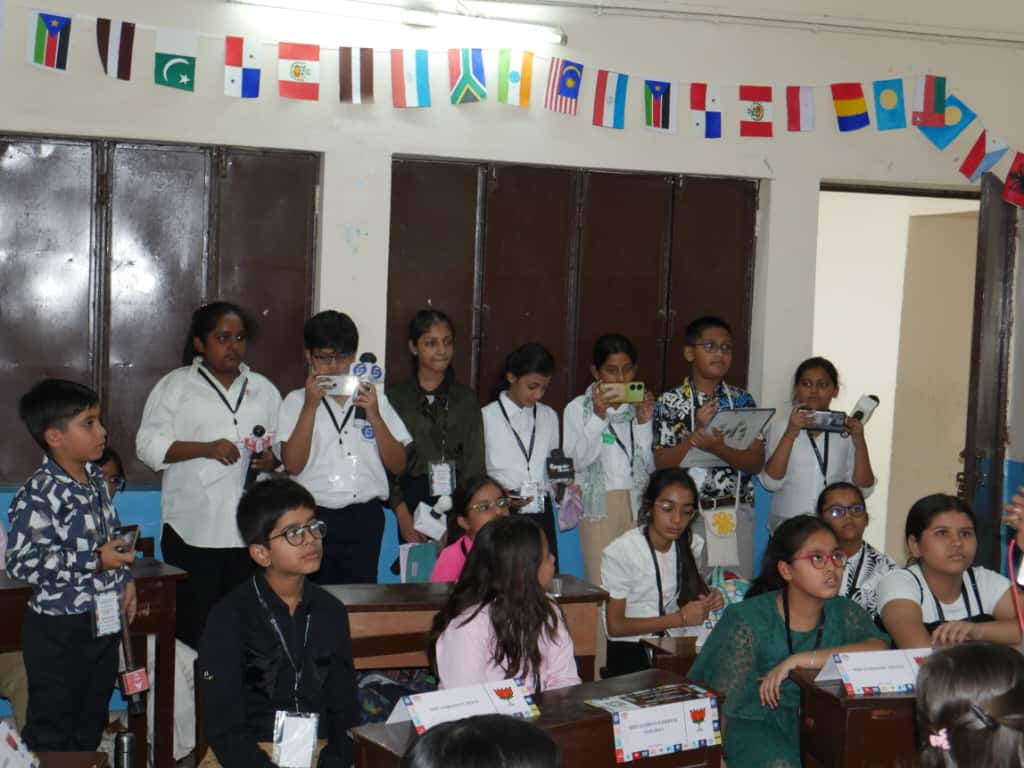
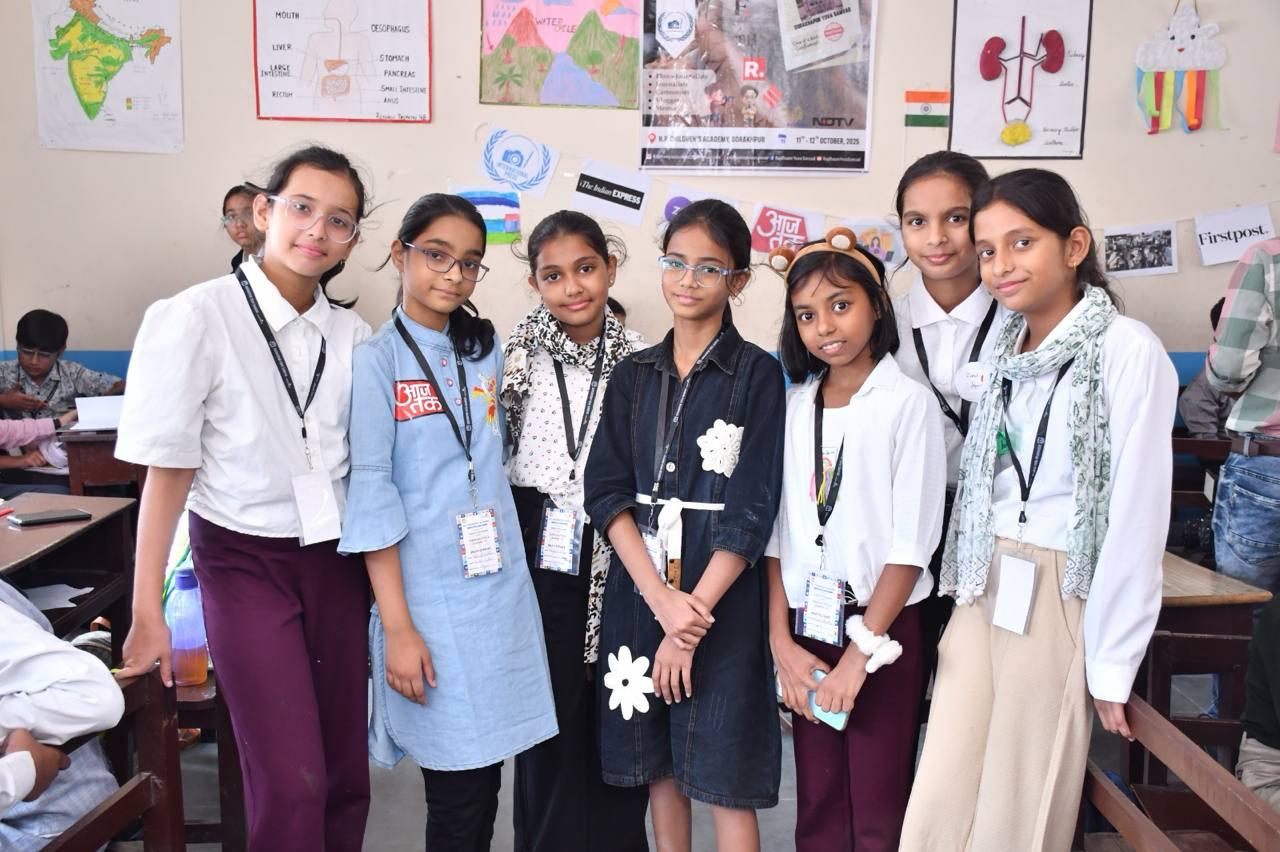
- International Press committee with Journalists, Photojournalists, Vloggers, Cartoonists, and Memers
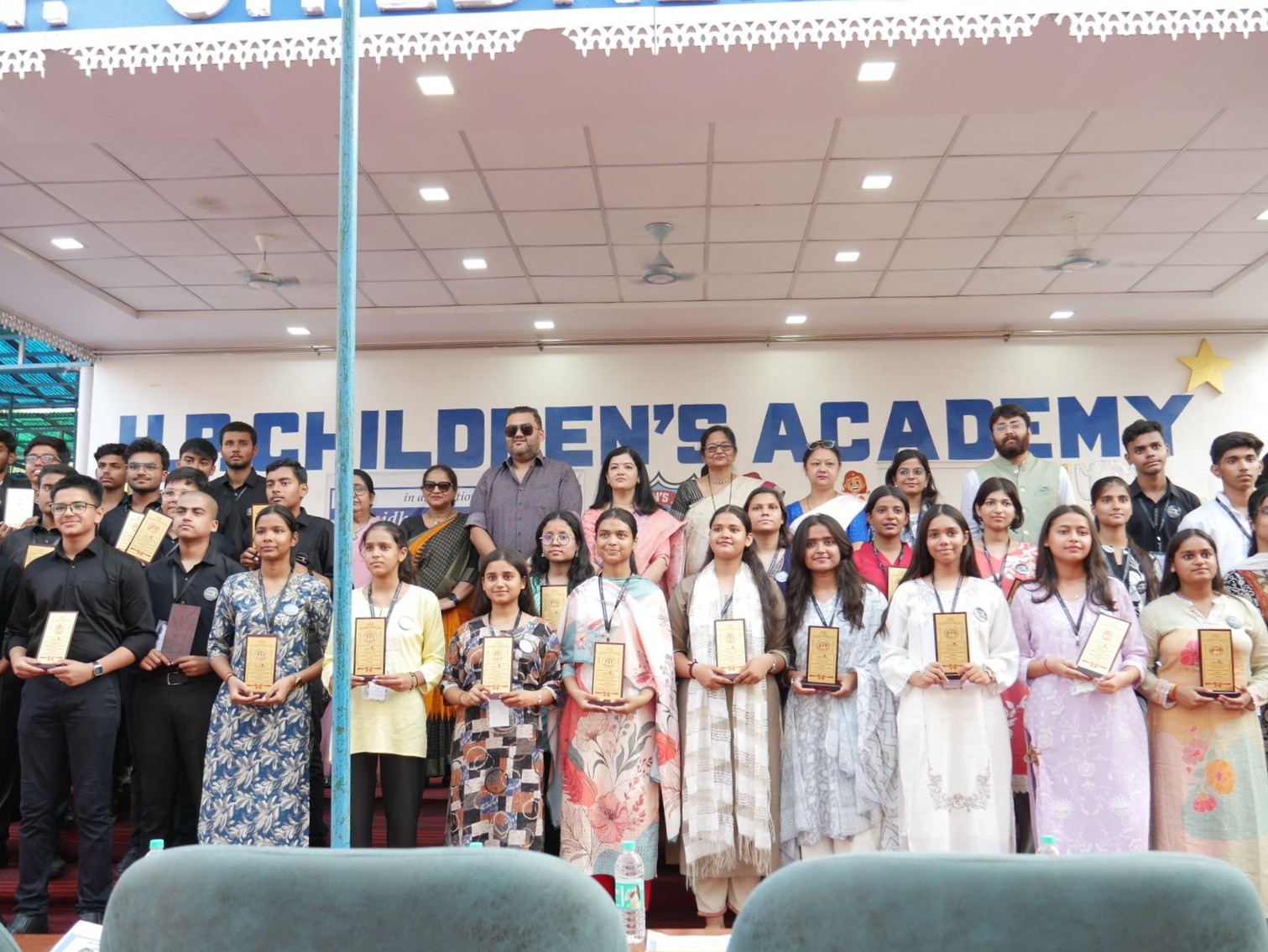
- Felicitation across Best Speaker, High Commendation, Special Mention, and Honourable Mention categories
Inaugural Ceremony
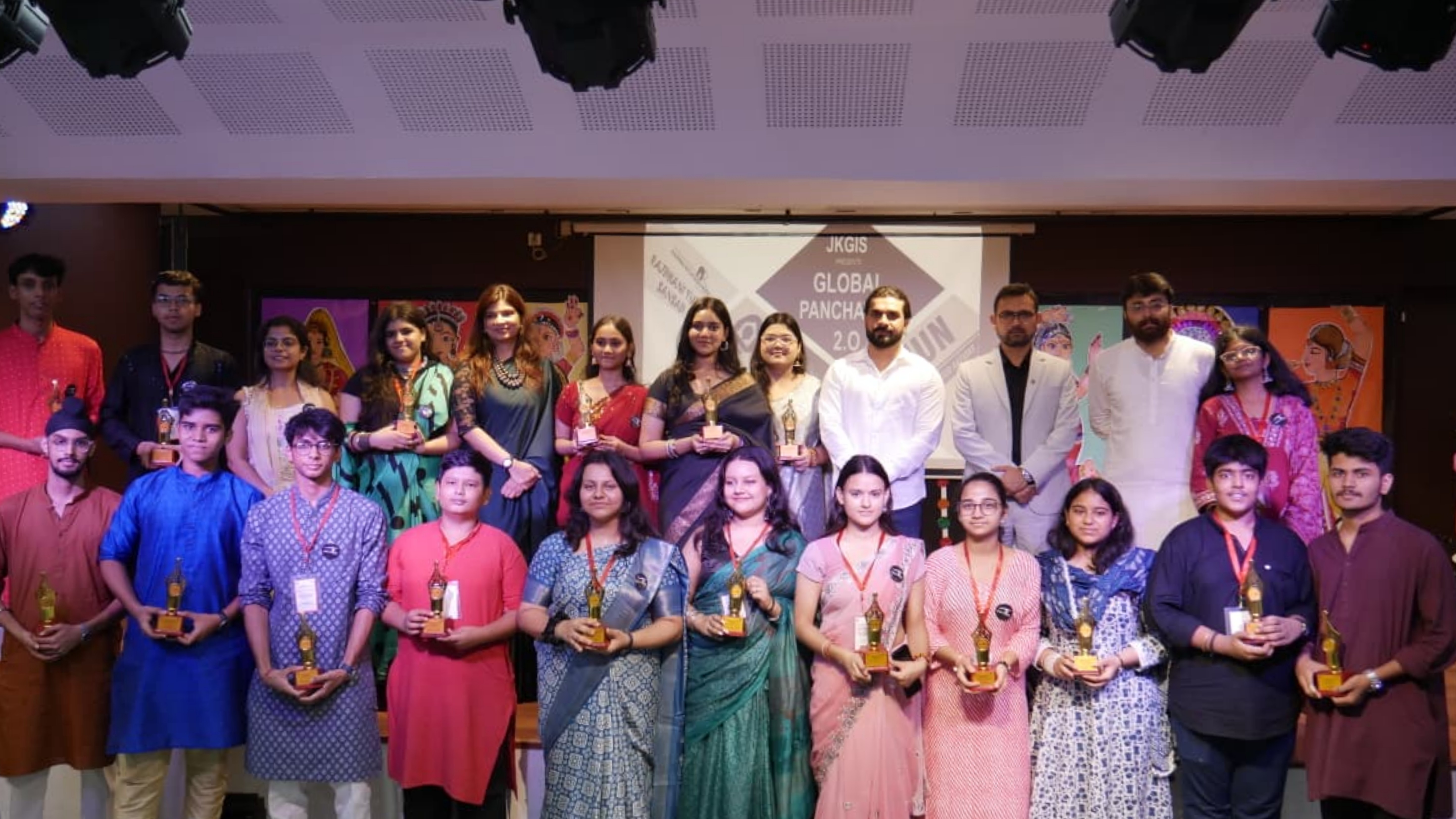
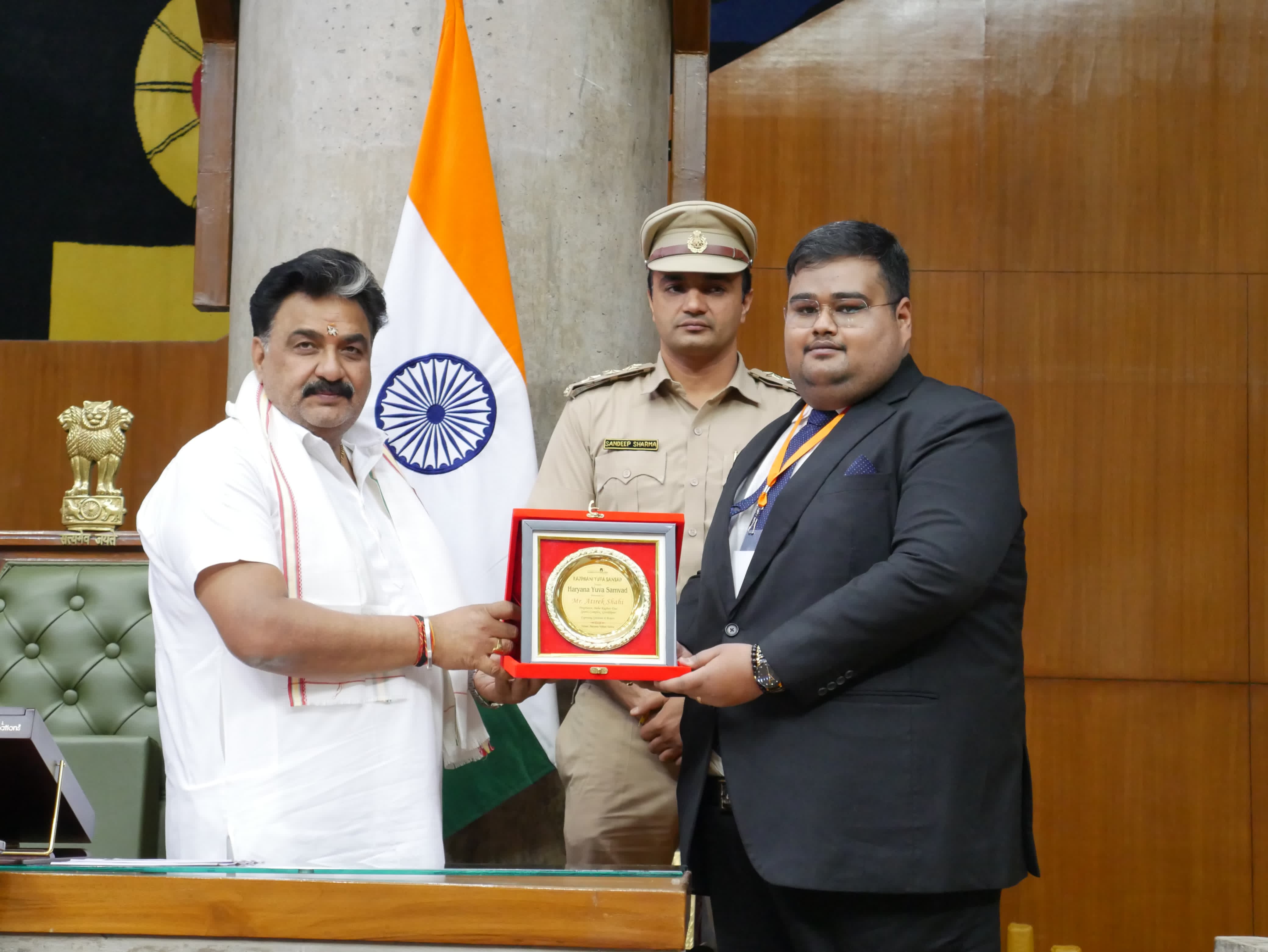
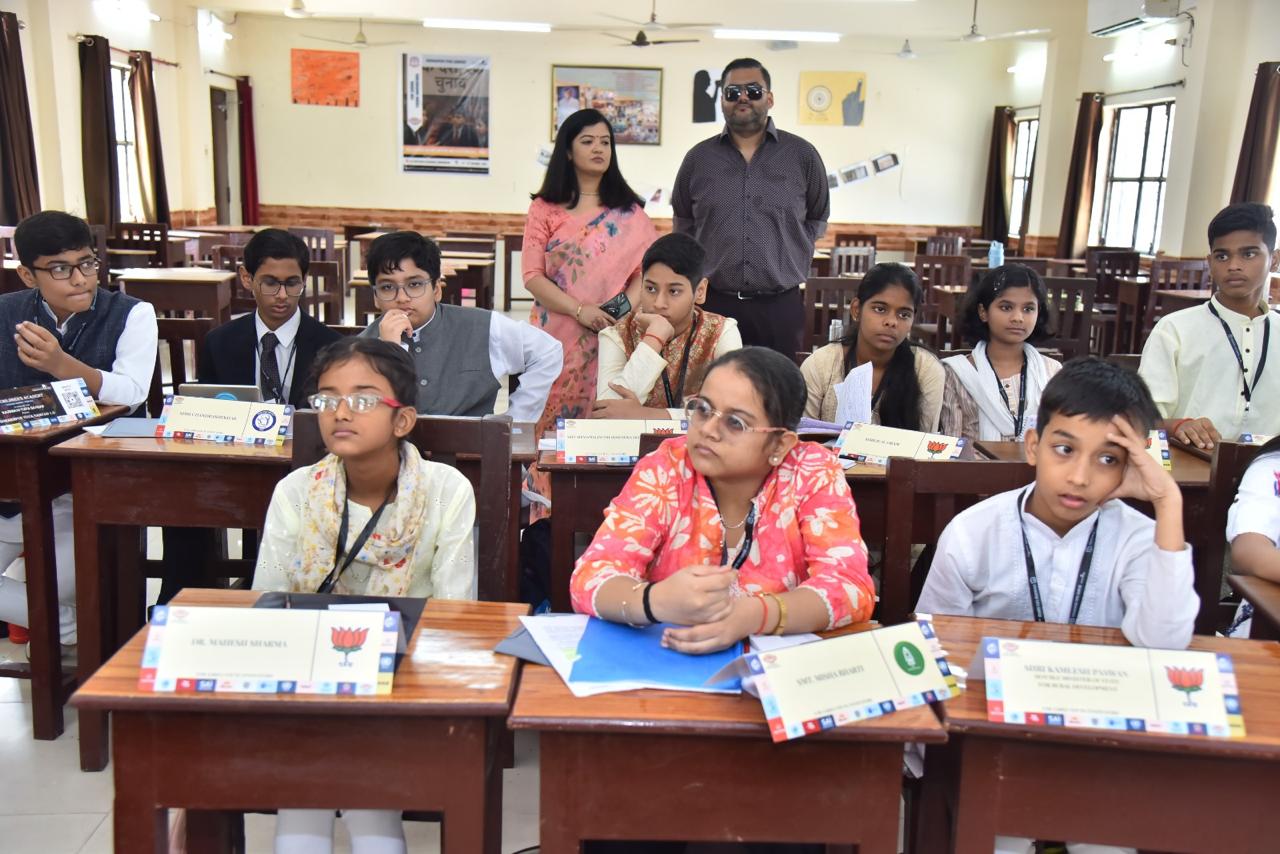
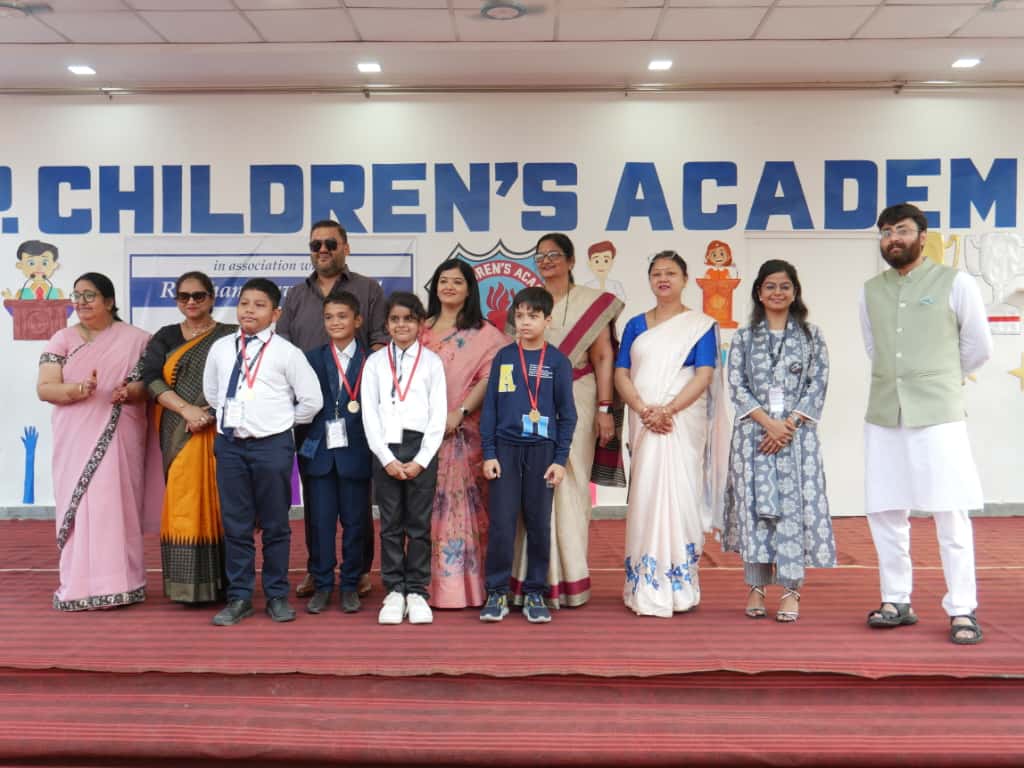
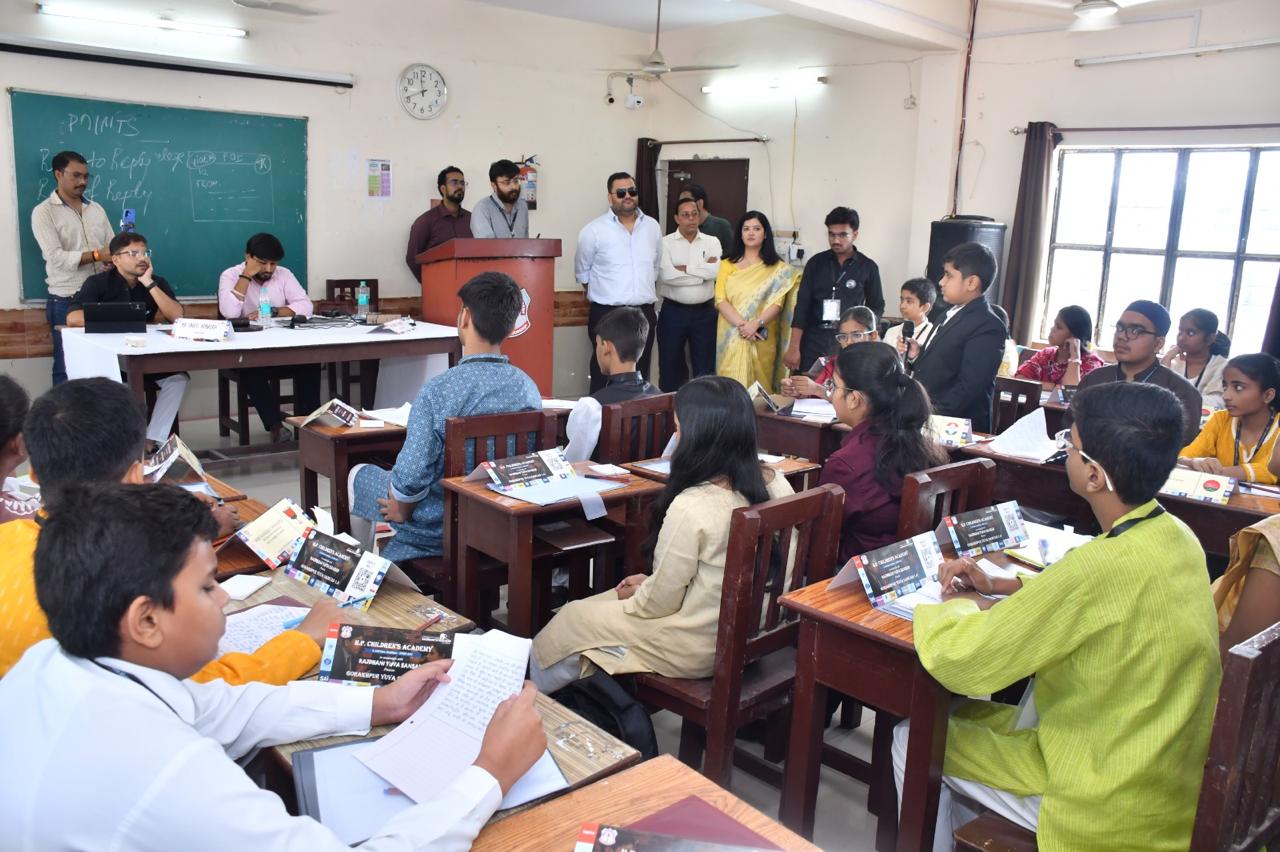
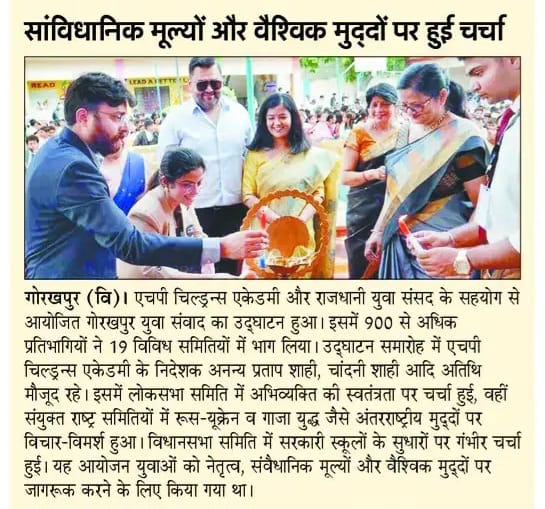
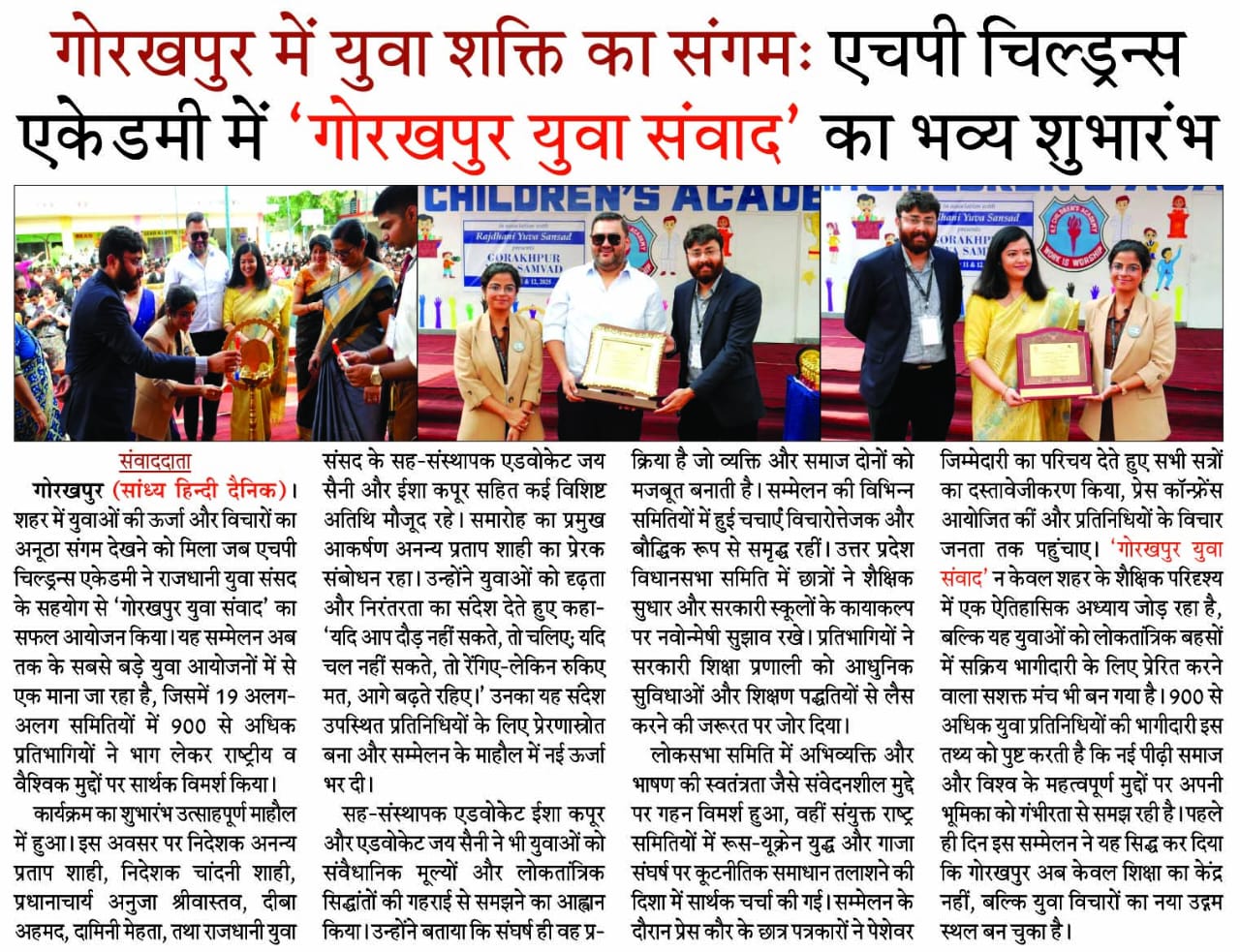
The inaugural ceremony of the Gorakhpur Yuva Samvad 2025 was held with great enthusiasm and fervour at H.P. Children's Academy, Gorakhpur. The ceremony was graced by the esteemed presence of Shri Ananya Pratap Shahi, Director, Civil Lines Branch; Mrs. Chandni Shahi, Director, Sahara Branch; Mrs.
Anuja Srivastava, Principal; Mrs. Diba Ahmed, Principal; Mrs. Damini Mehta, Principal; and the Co-Founders of Rajdhani Yuva Sansad, Adv. Jai Saini and Adv. Isha Kapoor. The highlight of the ceremony was the inspiring address delivered by Shri Ananya Pratap Shahi, whose words left a profound impact on the young audience.
Emphasising the significance of perseverance and determination, he remarked, "If you cannot run, then walk; if you cannot walk, then crawl—but whatever you do, keep moving forward." His motivational words set a positive and encouraging tone for the deliberations that unfolded over the course of the conference.
The Co-Founders of Rajdhani Yuva Sansad, in their insightful remarks, highlighted the importance of struggle and resilience in shaping one's journey. They further reflected on how intellectual debates and critical thinking form the backbone of our vibrant democracy and have played a crucial role in shaping the Indian Constitution.
Their words inspired the young delegates to uphold constitutional values and actively contribute to the democratic process. The ceremony concluded on a note of inspiration and anticipation, setting the perfect tone for two days of meaningful discussions, debates, and youth-driven initiatives aimed at building a more informed and responsible generation.
Eminent Dignitaries
A Wide Range of Forums
The day commenced with a thought-provoking session in the Lok Sabha: Young Innovators Committee on "Stray Animals and the Peaceful Co-existence of Humans and Animals," where parliamentarians delivered remarkably insightful and well-articulated deliberations on a critical governance challenge of public safety and animal welfare.
The ruling side proposed comprehensive measures including animal care centres, community feeding programmes, and clear municipal guidelines, emphasising compassion-driven governance and collaboration. The opposition acknowledged the issue but raised concerns over implementation capacity, budgetary constraints, and administrative overlaps. They advocated strengthening existing frameworks through better monitoring, awareness, and responsible waste management to ensure effective and sustainable outcomes.
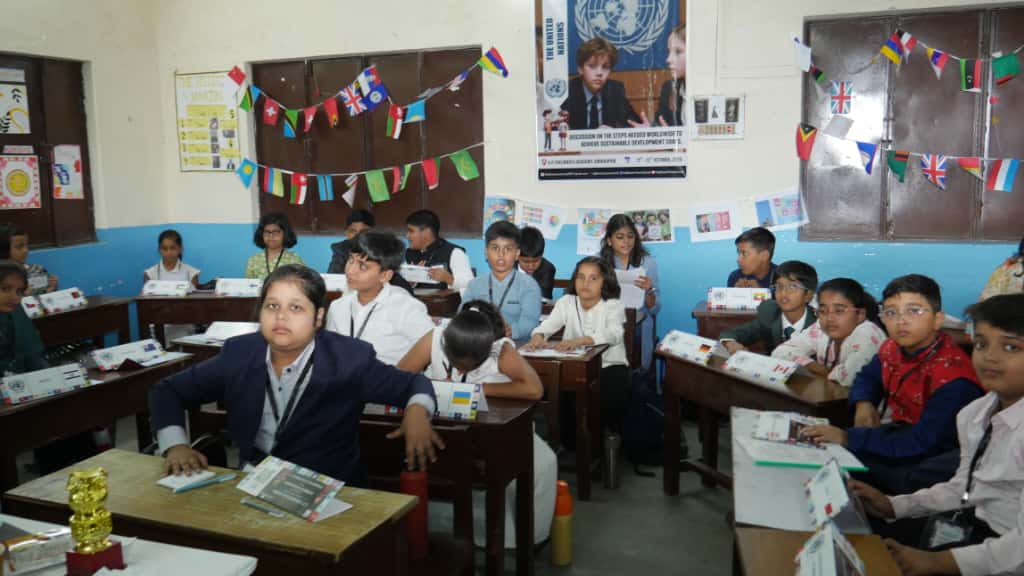
The United Nations Committee featured an engaging and globally focused session on "Steps Needed Worldwide to Achieve the Sustainable Development Goals (SDGs)," where participants delivered remarkably insightful and high-calibre deliberations. Discussions centred on international cooperation in climate action, clean energy, education, and poverty eradication, alongside proposals such as a global sustainability fund and enhanced technology transfer mechanisms.
Delegates highlighted challenges including inequality, political instability, environmental degradation, and the digital divide, while urging accountability from developed nations and fair financing for developing countries. The session concluded with a strong consensus on collective responsibility, multilateralism, and innovation-driven policy frameworks to ensure inclusive and sustainable global progress.
The World Health Organization (WHO) Committee witnessed a highly impactful session on "Promoting Child Health with Special Emphasis on Illness Prevention, Hygiene, and Nutrition," where participants delivered remarkably thoughtful and well-researched deliberations. Discussions focused on preventive healthcare, community awareness, early childhood interventions, school health check-ups, and nutrition support for underprivileged children.
Delegates collectively emphasised that prevention is more sustainable than cure, advocating for healthier lifestyles, hygiene education, and balanced nutrition from an early age. The session concluded on a solution-oriented note, recognising that investing in child health is essential for building a healthier and stronger future.
The Green India Council session featured dynamic and solution-driven deliberations on policies for eliminating pollution and improving sanitation, with participants delivering remarkably sharp and impactful performances. The ruling side proposed a comprehensive framework focusing on strengthening pollution control and sanitation infrastructure, alongside public participation and incentive-based models.
Discussions also highlighted the need for capacity building, community engagement, and technological innovations like real-time monitoring and green transport. The session underscored a strong collective commitment to sustainable development, reinforcing that environmental responsibility is essential for future generations.
The Rajya Sabha Committee hosted a lively and engaging session on "Ensuring Affordable and Accessible Healthcare for All," where participants delivered remarkably thoughtful and impactful performances. The ruling side proposed strengthening rural healthcare infrastructure, expanding insurance coverage, and promoting telemedicine, health camps, and awareness drives.
The discussion reflected strong concern for equitable access, especially for weaker sections, emphasising healthcare as a fundamental right. The session concluded with unanimous agreement that accessible and affordable healthcare is not just a policy goal but a moral responsibility of every government.
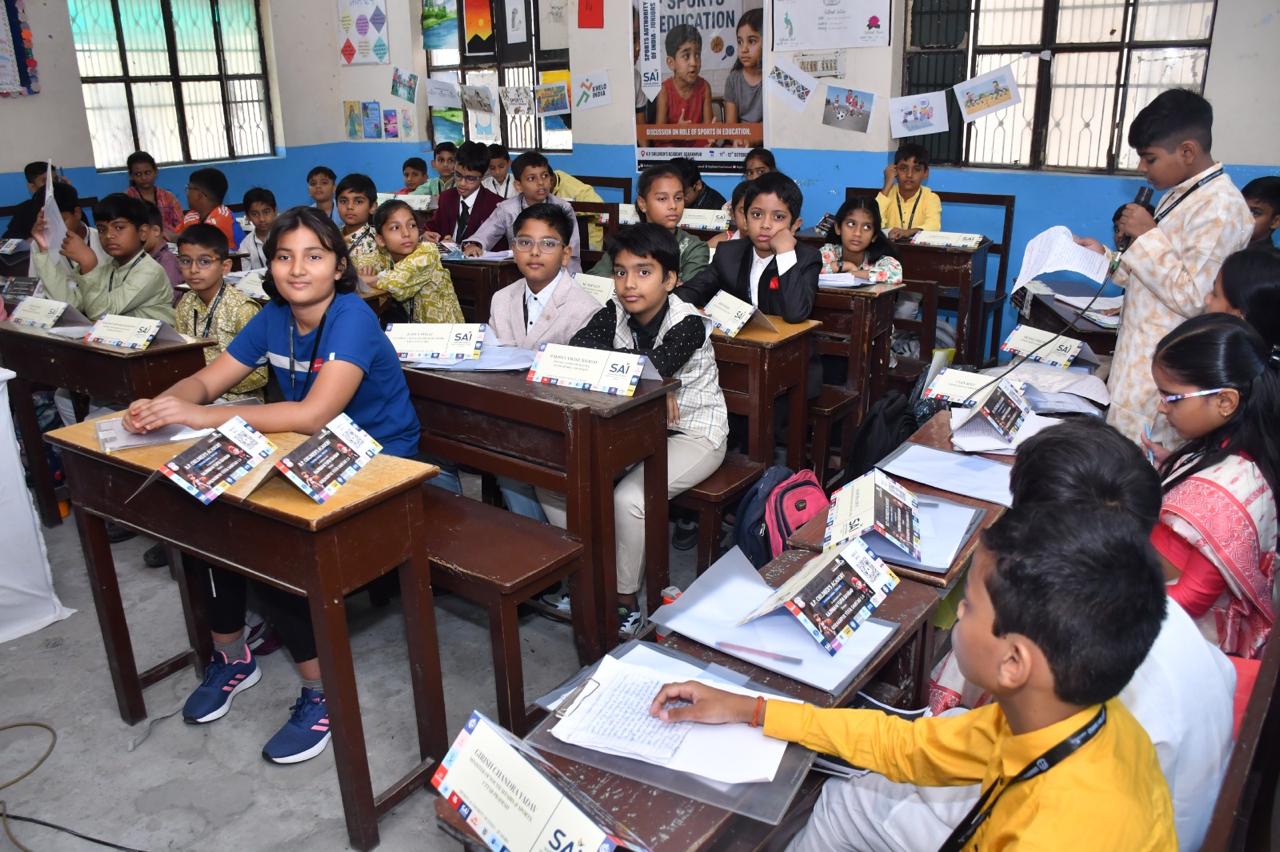
The Sports Authority of India: Juniors Committee hosted an engaging session on "The Role of Sports in Education," where participants delivered remarkably energetic and insightful performances. The ruling side highlighted sports as essential for physical fitness and life skills like teamwork, discipline, and leadership, while advocating stronger integration into education.
The opposition acknowledged its importance but raised concerns over inadequate infrastructure, lack of trained coaches, and rural disparities, suggesting improved facilities and awareness. The session concluded with a shared understanding that sports and education together foster confident, healthy, and responsible individuals.
The Uttar Pradesh Legislative Assembly: Juniors Committee hosted a meaningful session on "Ensuring Equal Quality Education for All Children," where participants delivered remarkably thoughtful and impactful deliberations. Discussions focused on bridging gaps between government and private schools through infrastructure upgrades, digital classrooms, trained teachers, and inclusive policies like scholarships and free learning resources.
Delegates emphasised accountability, innovation, and equal investment to ensure equitable access to quality education. The session concluded with a strong consensus that education is a fundamental right and essential for building an inclusive and progressive future.
The Lok Sabha – Young Innovators Committee hosted a high-quality and engaging debate on the "One Nation, One Election Bill, 2025," with participants delivering remarkably sharp and well-reasoned arguments. The ruling side highlighted benefits such as administrative efficiency, reduced expenditure, and improved policy focus through synchronized elections.
The opposition raised critical concerns regarding federal diversity, feasibility, and potential challenges in implementation. The session concluded with a balanced understanding of the proposal as a complex yet potentially transformative reform requiring careful consideration.
The Uttar Pradesh Legislative Assembly Committee featured a forward-looking session on digital governance and e-literacy, marked by participants delivering notably articulate and high-quality interventions. The ruling side highlighted measures such as online citizen services, digital record systems, and integrated service portals to improve transparency and efficiency.
The opposition, while aligned with the vision, pointed out challenges including the digital divide, connectivity gaps, and the need for institutional capacity building. The session concluded with a shared understanding that strengthening digital governance and e-literacy is crucial for building an inclusive, responsive, and efficient administrative framework.
The Sports Authority of India Committee deliberated on "Khelo Bharat Niti 2025," with participants delivering remarkably confident and well-rounded contributions. Discussions focused on strengthening sports culture through infrastructure development, talent identification, and integrating sports within educational institutions.
Key concerns included access to quality facilities, especially in rural areas, and the need for trained coaches, scholarships, and inclusive participation. The session concluded with a shared view that a robust sports ecosystem is essential for nurturing healthy, skilled, and motivated youth while promoting national pride.
The United Nations General Assembly (UNGA) Committee hosted a deeply engaging and impactful session on the humanitarian crisis in Gaza, with participants delivering remarkably mature and empathetic deliberations. Discussions focused on ensuring access to basic necessities, addressing civilian suffering, and enabling timely humanitarian aid through coordinated international efforts.
Delegates emphasised the role of governments, UN bodies, and NGOs in advancing relief, human rights, and multilateral cooperation. The session concluded with a strong consensus on the need for immediate action, sustained support, and collective responsibility to protect human dignity and work towards lasting peace.
The United Nations Human Rights Council (UNHRC) Committee hosted a serious and deeply engaging session on the Russia–Ukraine conflict, with participants delivering remarkably composed and well-informed interventions. Discussions focused on civilian impact, human rights violations, and the need for accountability through documentation, investigations, and international legal frameworks.
Delegates also proposed measures such as humanitarian corridors, emergency aid access, and protection for displaced populations. The session concluded with a shared recognition of the conflict as both a security and human rights crisis, requiring global cooperation, compassion, and decisive action.
The NITI Aayog Committee hosted a highly engaging session on aligning skill development with evolving industry needs, with participants delivering remarkably insightful and future-oriented contributions. Discussions focused on updating curricula, integrating digital and sector-specific skills, and strengthening collaboration between industry, educational institutions, and government bodies.
Innovation and technology, including AI and simulation-based learning, were highlighted as key enablers for preparing youth for emerging sectors. The session concluded with a consensus on the need for forward-looking, industry-aligned, and inclusive skill development to equip youth for future careers.
The National Commission for Women (NCW) Committee witnessed a focused and impactful session on strengthening cybersecurity with special emphasis on safeguarding women, with participants delivering notably perceptive and well-articulated deliberations. Discussions examined rising cyber threats such as harassment, stalking, and identity theft, alongside the need for stronger legal frameworks, effective enforcement, and dedicated cybercrime units.
Delegates also underscored the importance of technological interventions, awareness initiatives, and digital literacy to empower women and enhance reporting systems. The session concluded with a shared emphasis on building a coordinated, responsive, and inclusive cybersecurity framework to ensure safety and dignity in the digital space.
The Lok Sabha Committee featured an engaging session on "Freedom of Speech and Expression in the Age of Social Media," with participants delivering notably articulate and well-balanced perspectives. Deliberations explored the interplay between free expression and responsibility, addressing concerns such as misinformation, hate speech, cyberbullying, and privacy violations.
Parliamentarians suggested refining legal frameworks, promoting digital literacy, and ensuring responsible platform governance to curb misuse without restricting legitimate voices. The session concluded with a shared emphasis on protecting democratic freedoms while fostering a safe, accountable, and constructive digital space.
The War of Ideologies Committee featured a thought-provoking session on "Roadmap for National Development: India 2047," with participants delivering remarkably nuanced and high-quality deliberations. Diverse ideological perspectives — from feminist and humanist to sovereignty-focused and progressive — enriched discussions on equity, innovation, sustainability, and inclusive growth.
Participants highlighted the role of technology, governance reforms, and social cohesion in shaping a future-ready India. The session concluded with a shared vision of a balanced, inclusive, and forward-looking roadmap for a resilient and prosperous India by 2047.
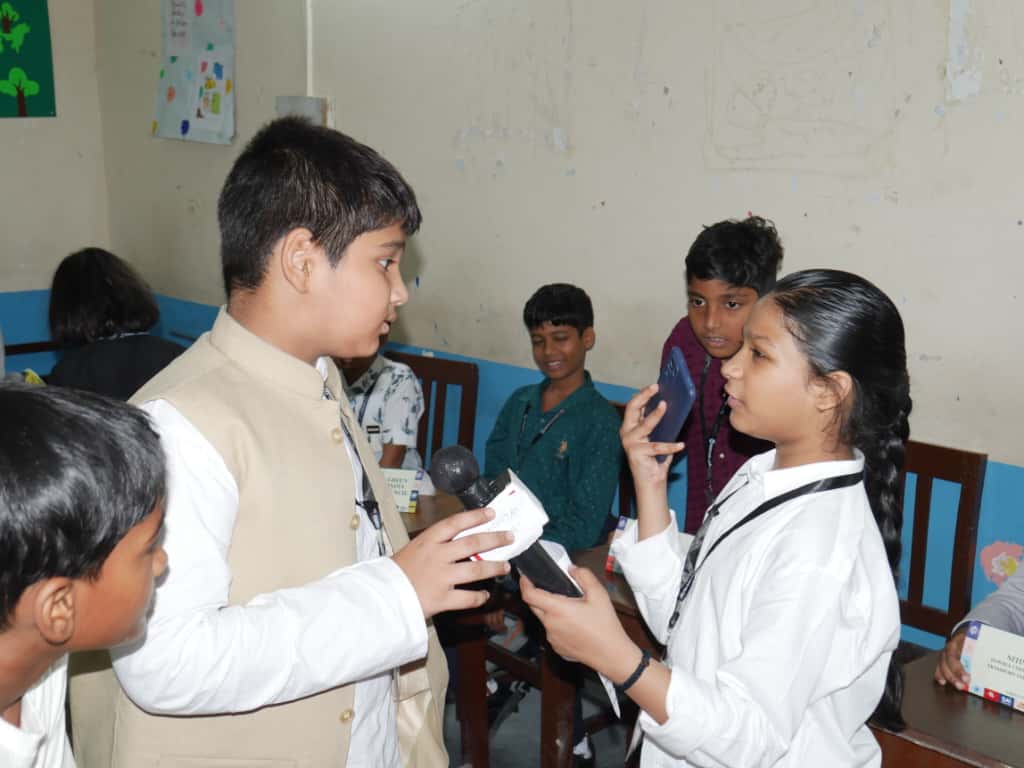
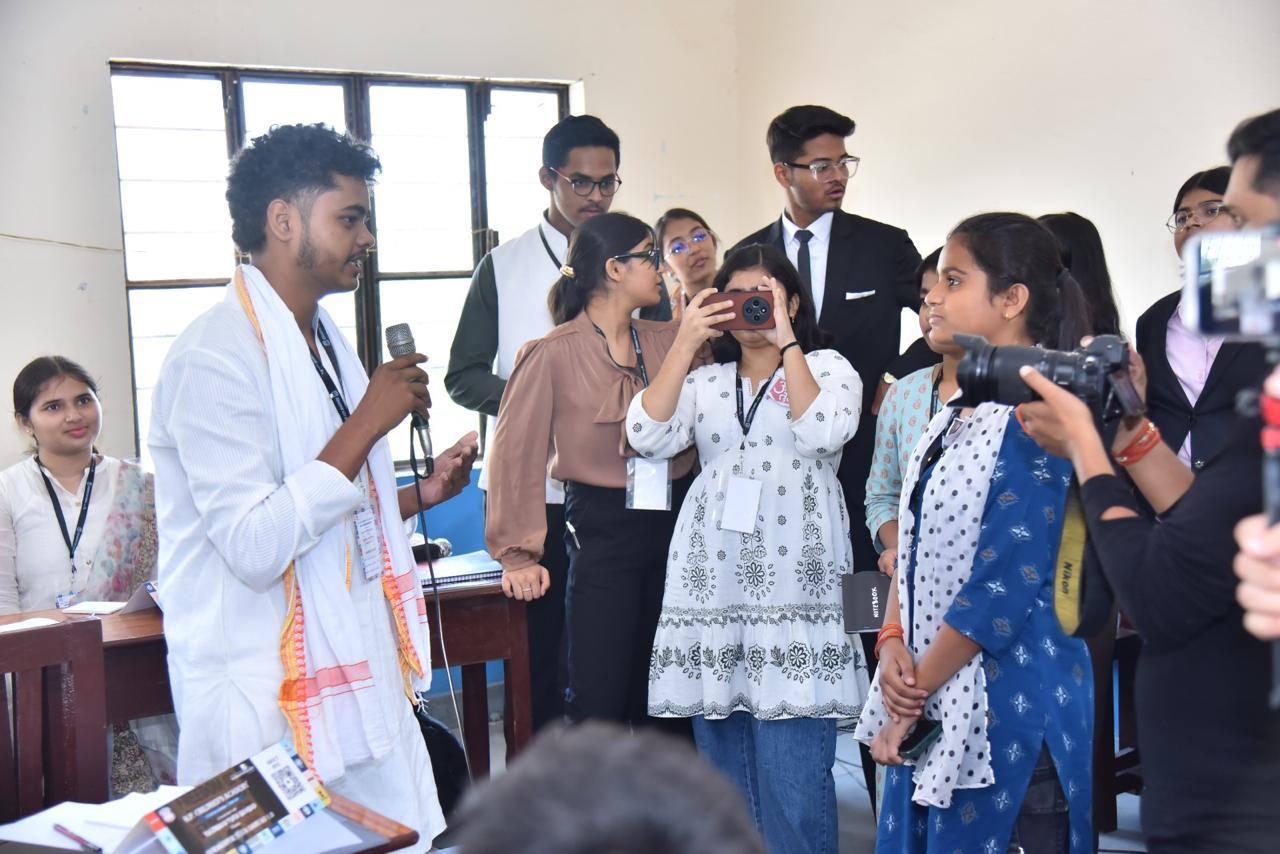
Press played a pivotal role in capturing Gorakhpur Yuva Samvad 2025, with participants delivering remarkably creative and high-quality coverage across journalism, photography, and digital media. Journalists engaged actively with delegates, producing insightful reports and summaries that reflected the depth of committee deliberations.
Photographers and vloggers documented the event through compelling visuals, interviews, and behind-the-scenes content, bringing out both the intensity and energy of the sessions. The IP team collectively showcased the conference from diverse perspectives, effectively amplifying its spirit, creativity, and impact.
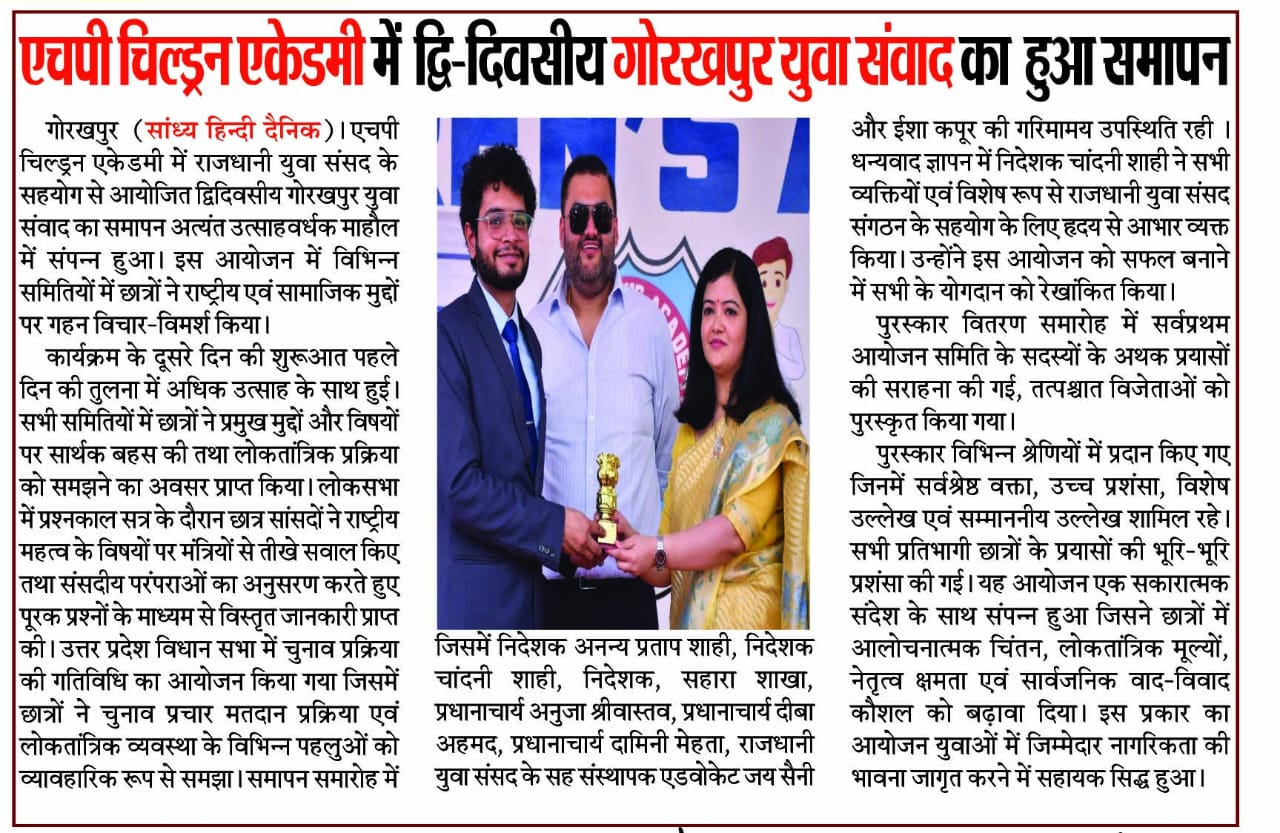
Valedictory Ceremony
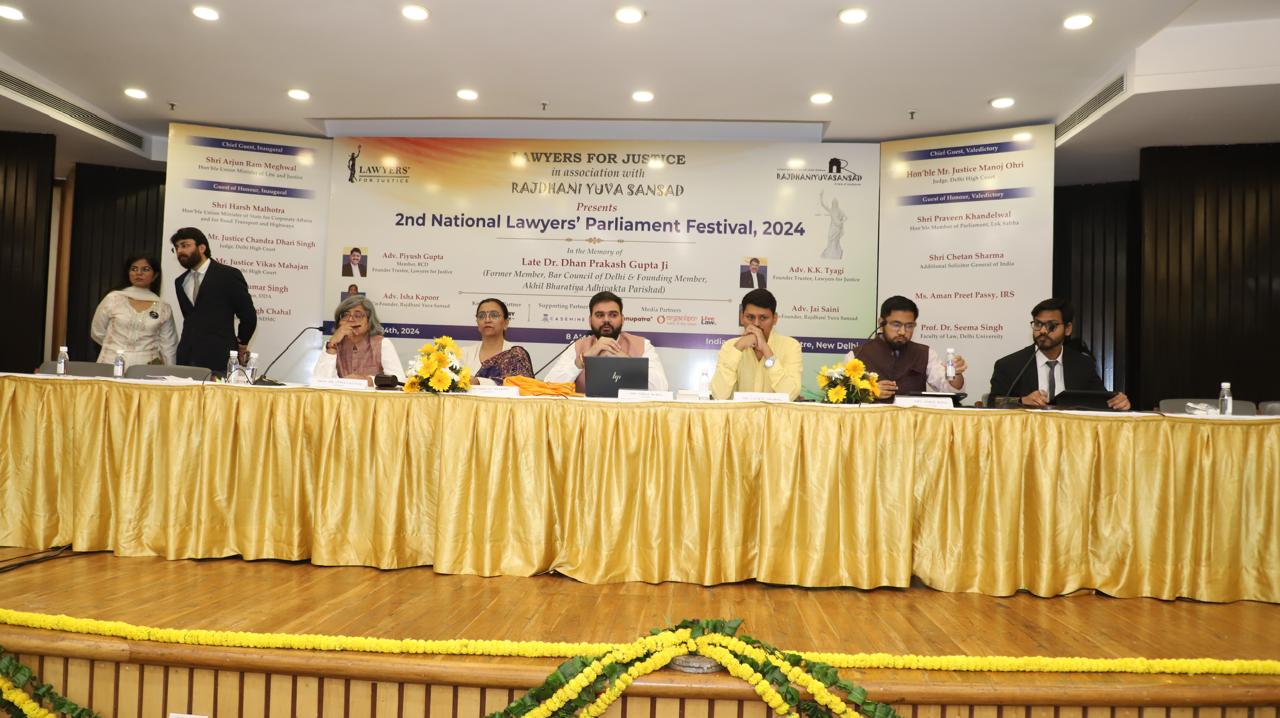
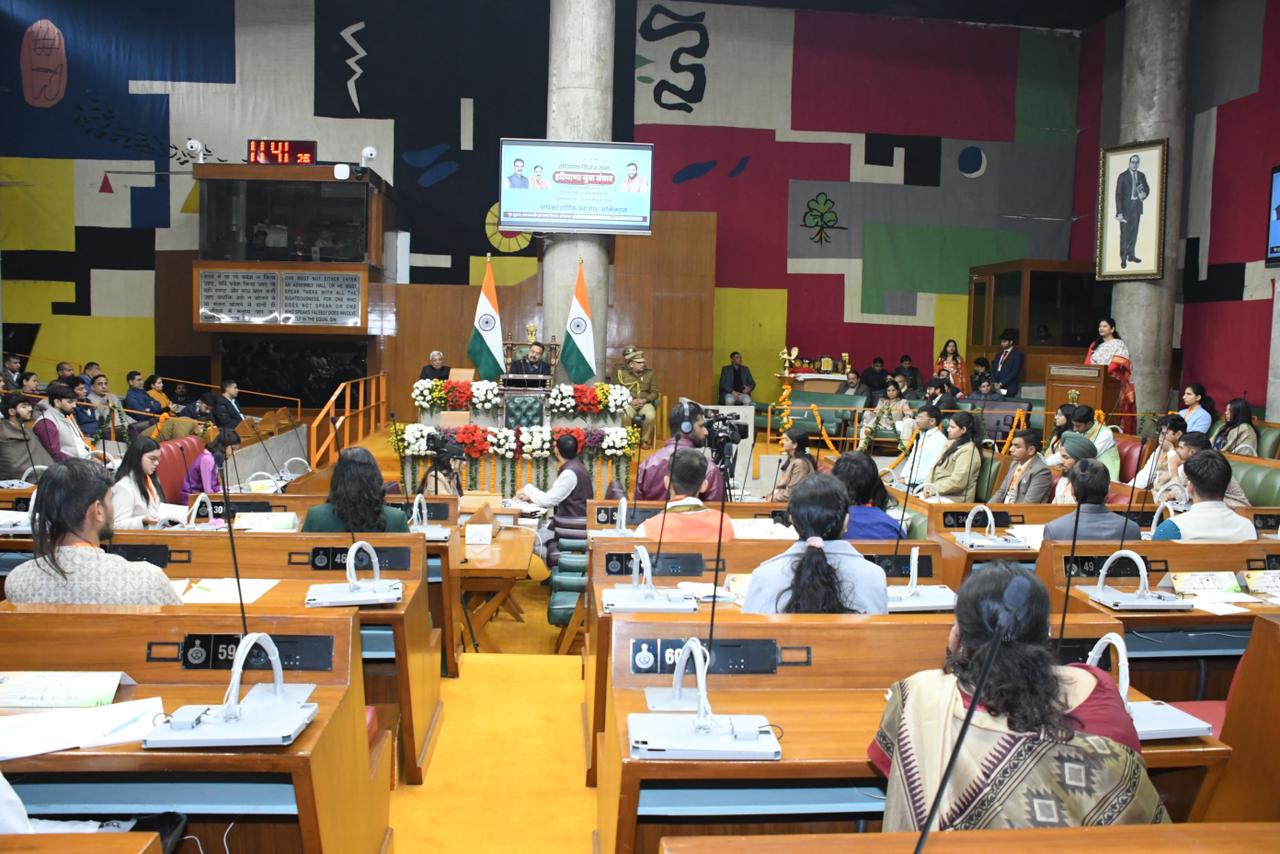
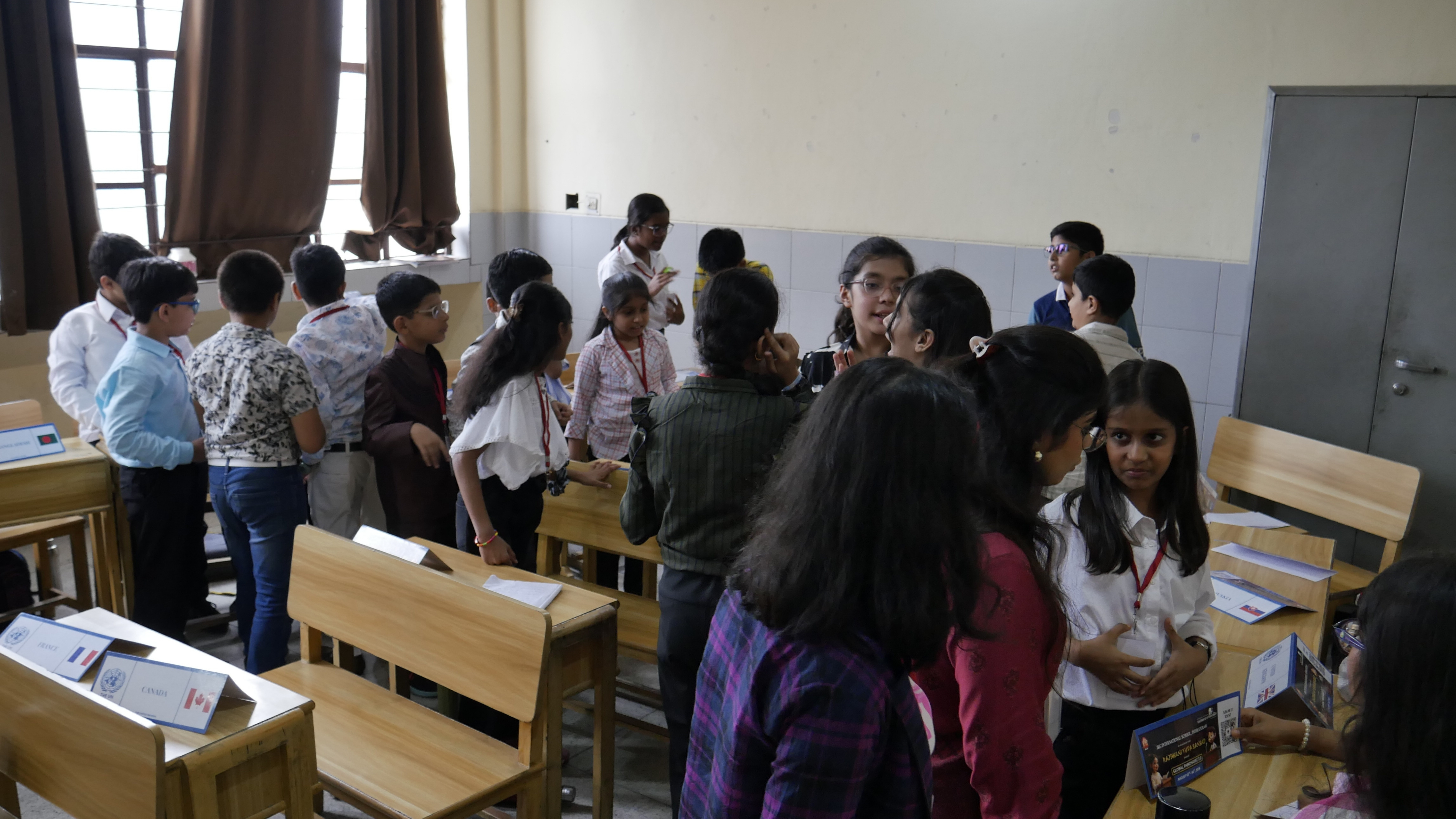
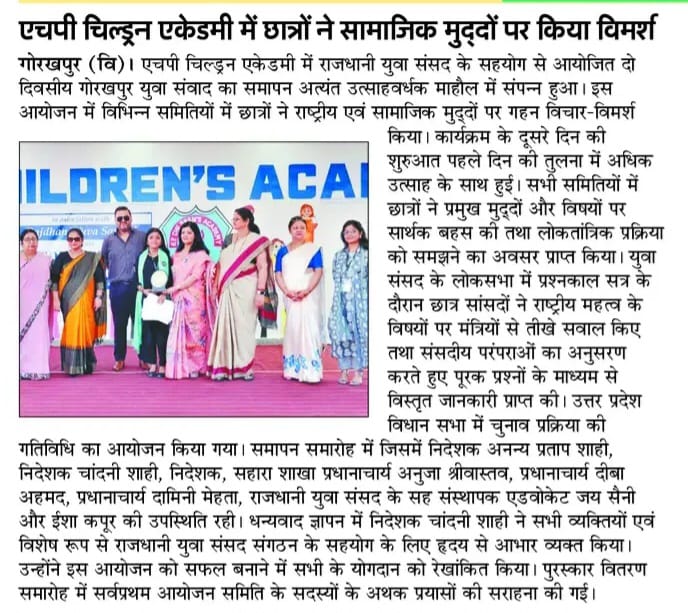
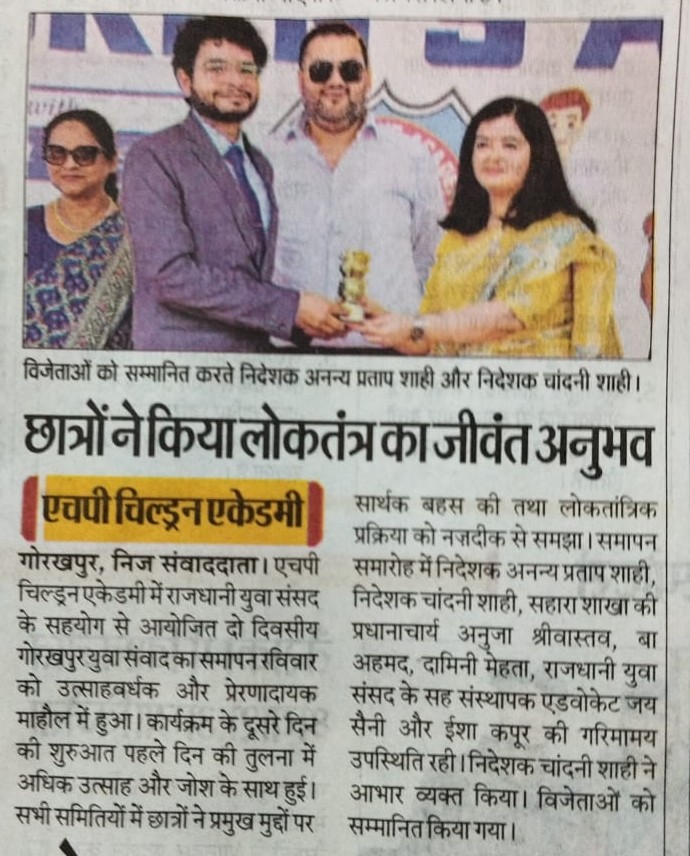
The valedictory ceremony of Gorakhpur Yuva Samvad 2025 marked a powerful conclusion to a high-energy conference, with participants delivering remarkably impactful performances across committees. The event reflected bold thinking, collaboration, and youth-driven leadership, leaving attendees with sharper perspectives and a renewed sense of purpose.
Outstanding contributions were recognised, alongside reflections on key moments and collective growth. The ceremony concluded on a note of appreciation and motivation, encouraging participants to carry forward the dialogue and learning beyond the conference.
Event in Pictures
⬚⬚⬚⬚⬚⬚⬚⬚⬚⬚⬚⬚⬚⬚⬚Media Coverage
 ⬚
⬚ ⬚
⬚ ⬚
⬚ ⬚
⬚ ⬚
⬚