Delhi Yuva Samvad 2024 दिल्ली युवा संवाद, 2024
About the Conference
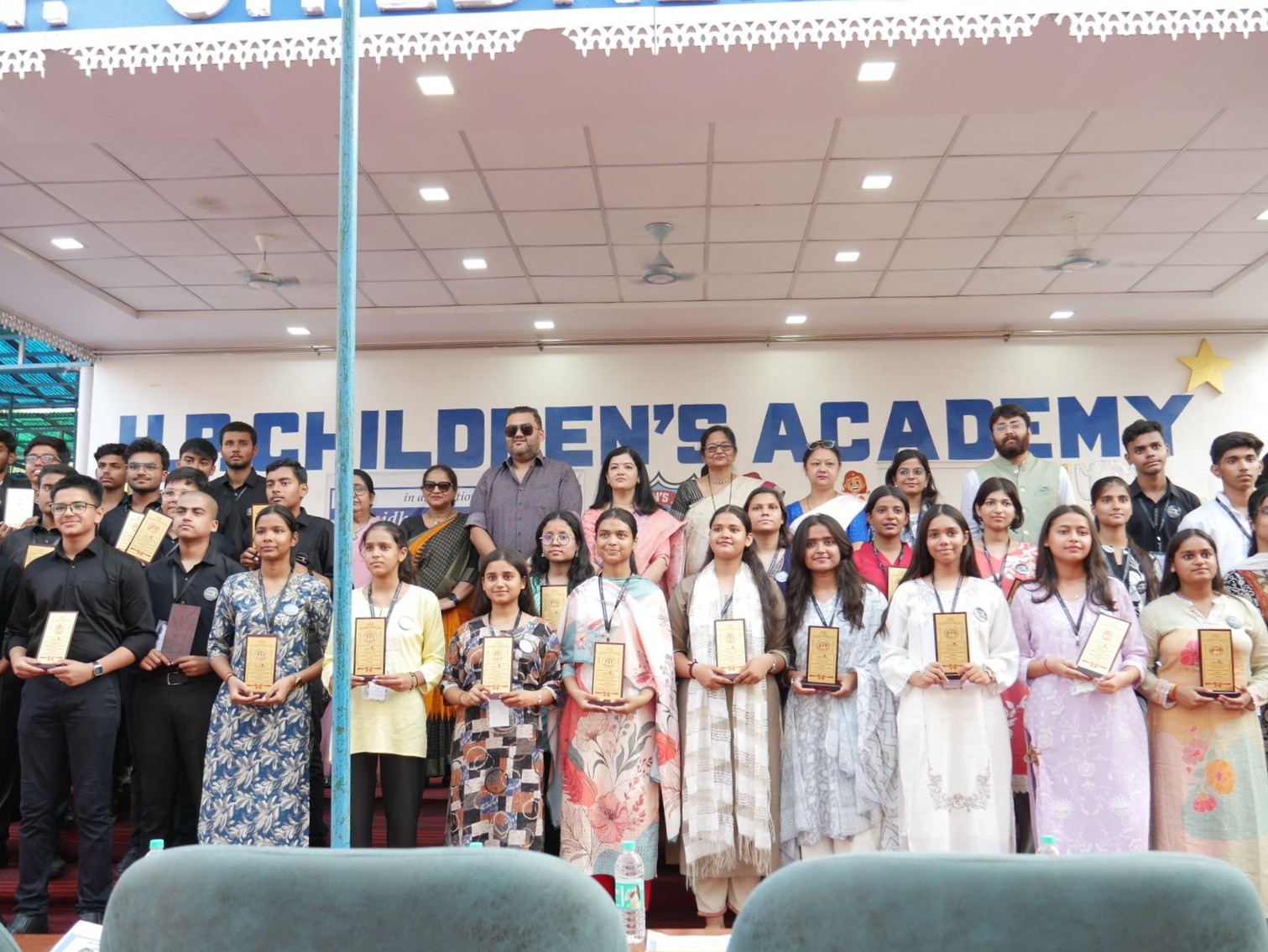
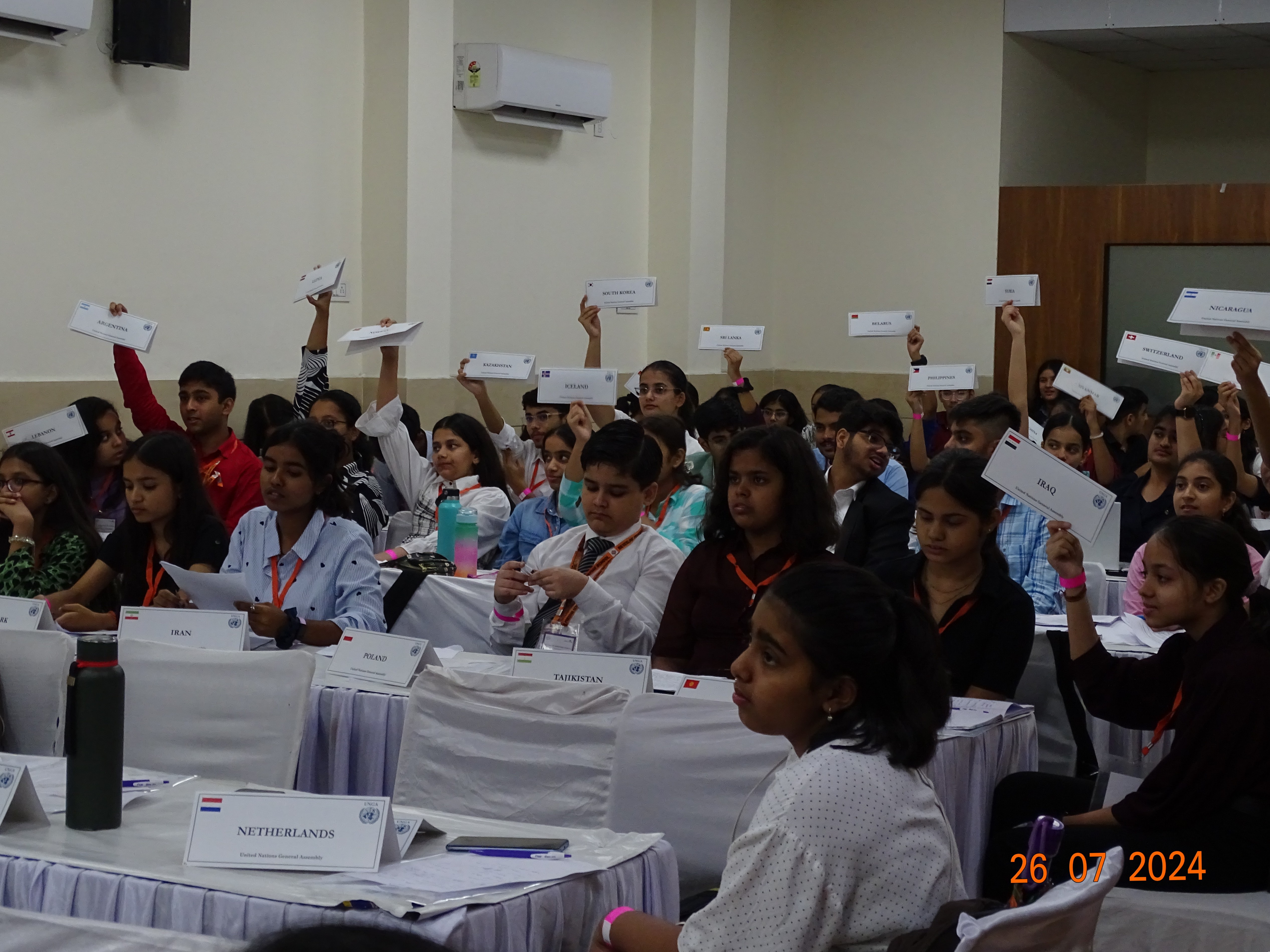
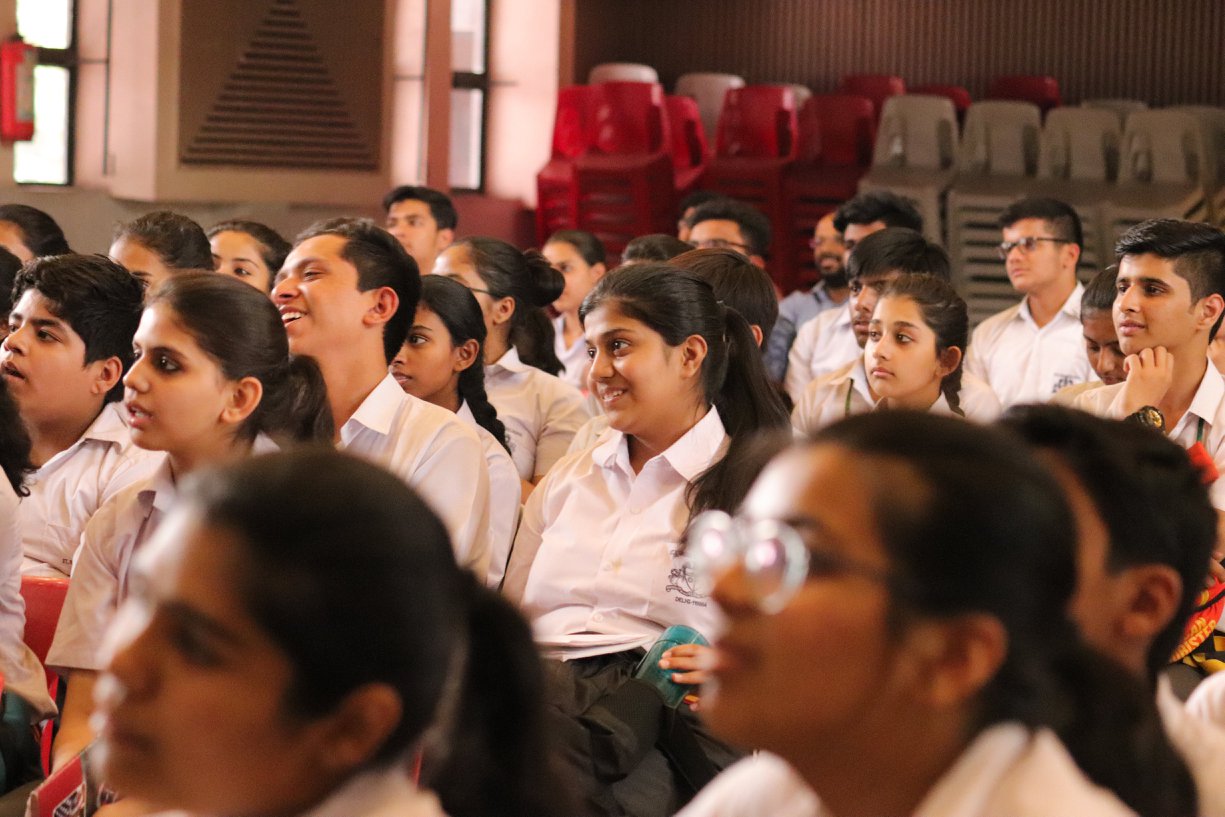
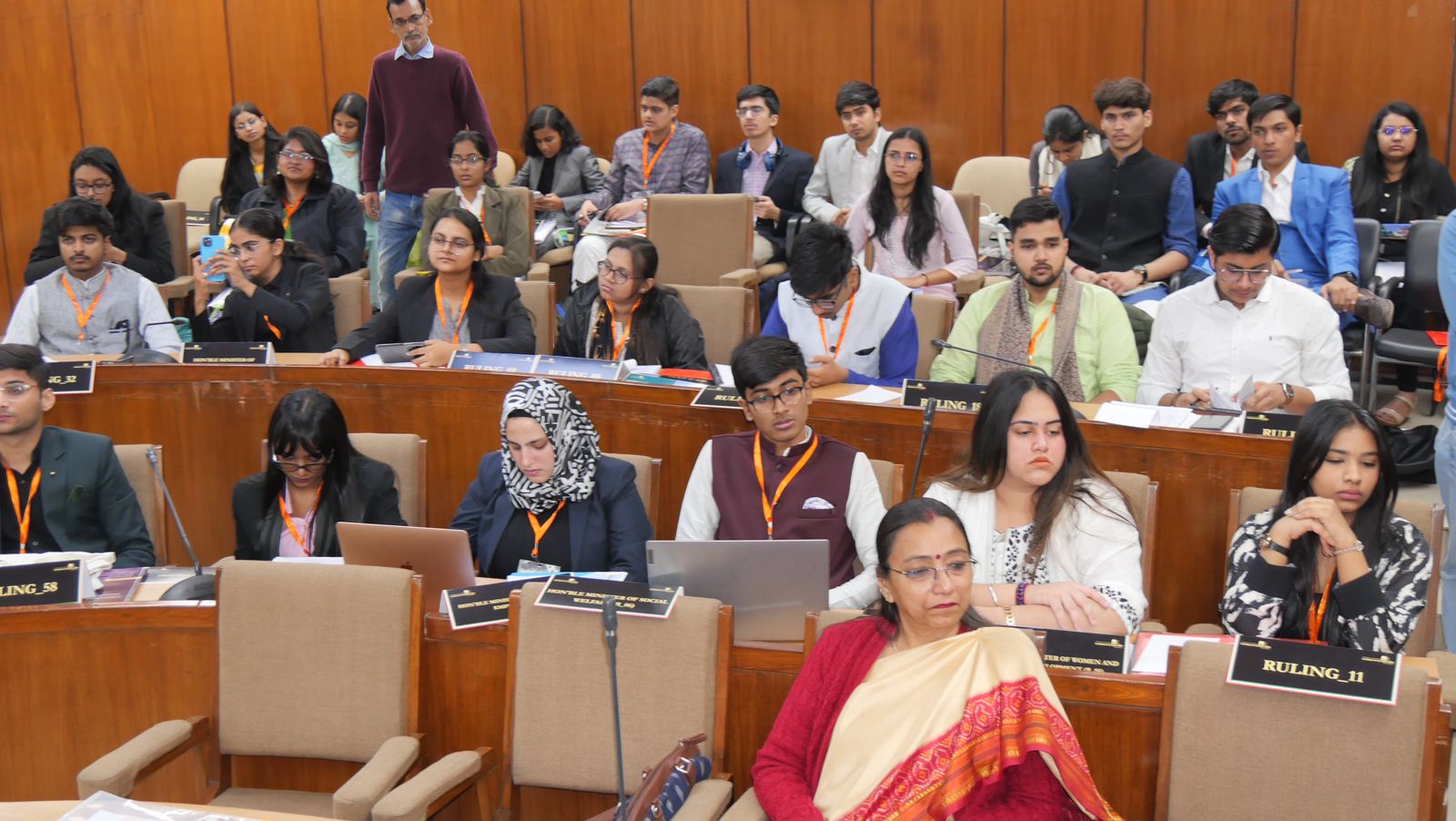
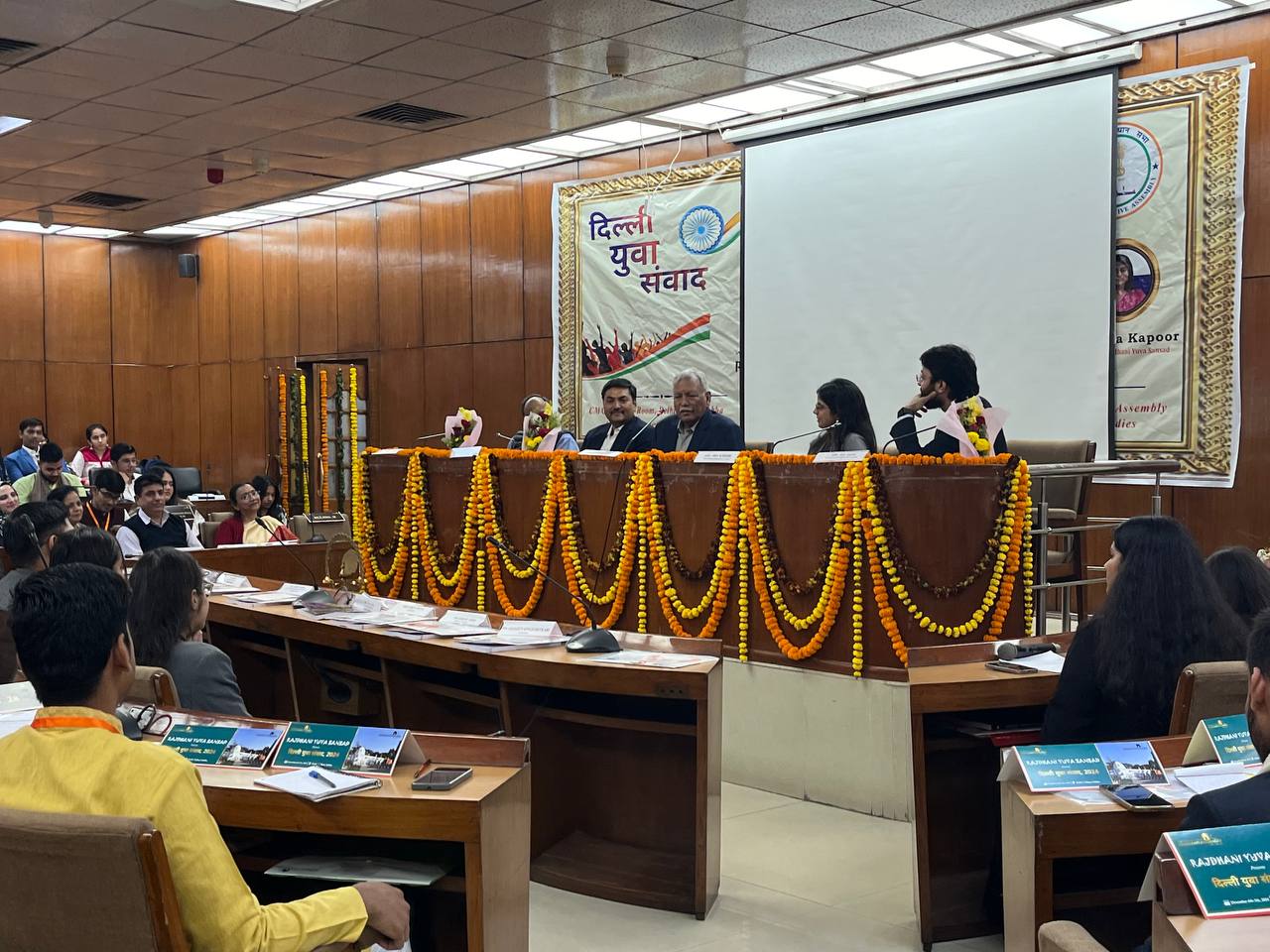
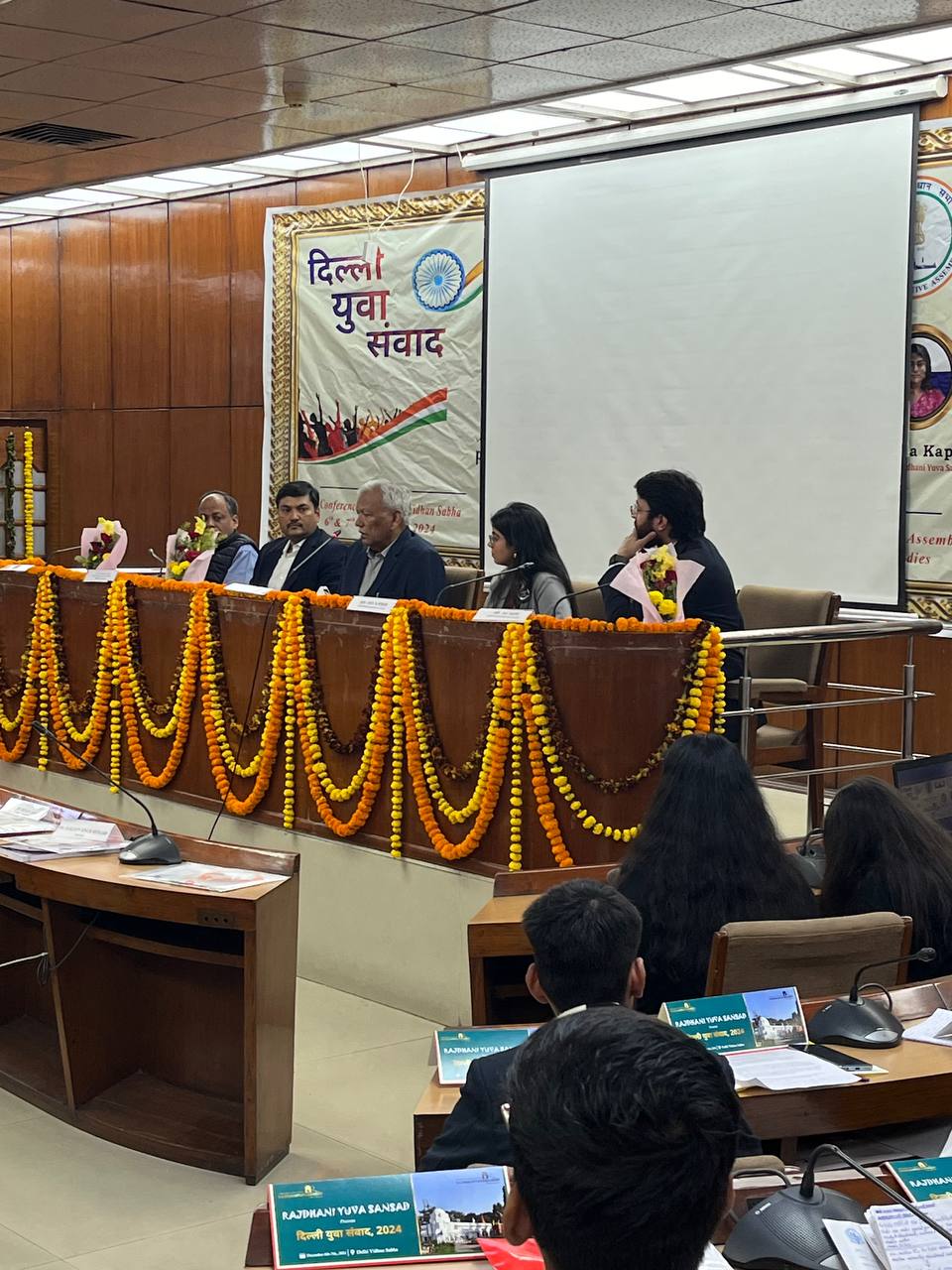
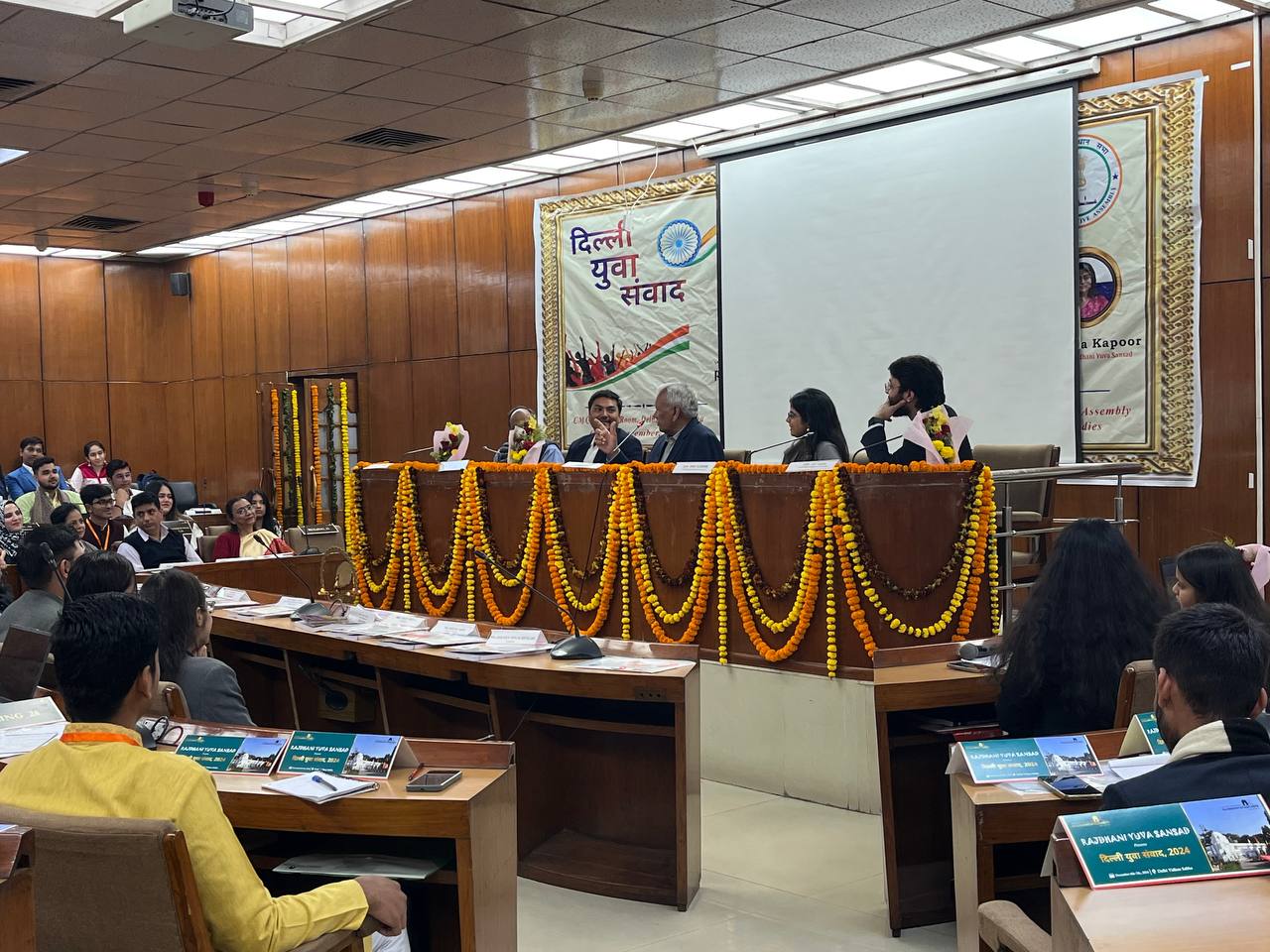
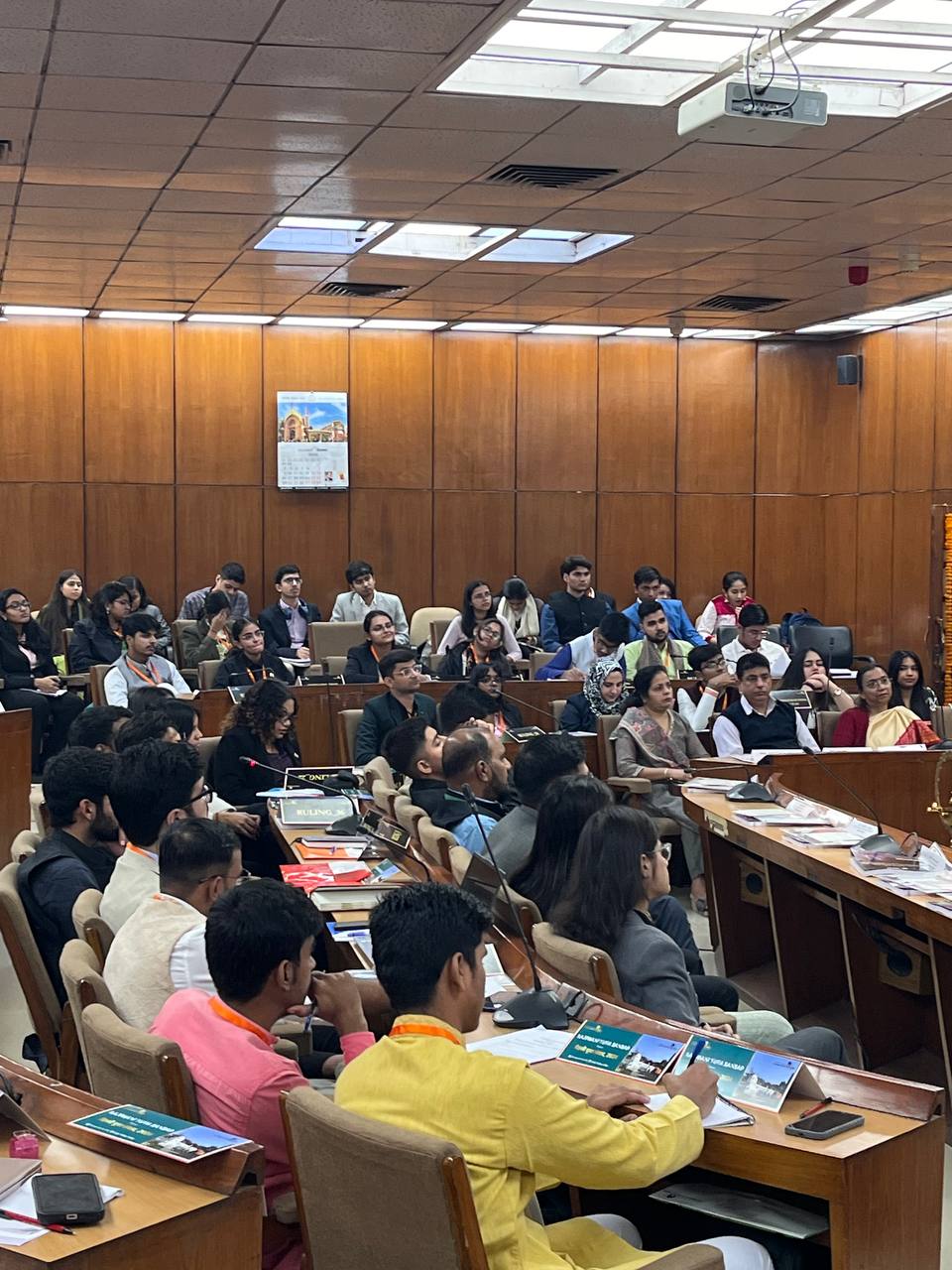
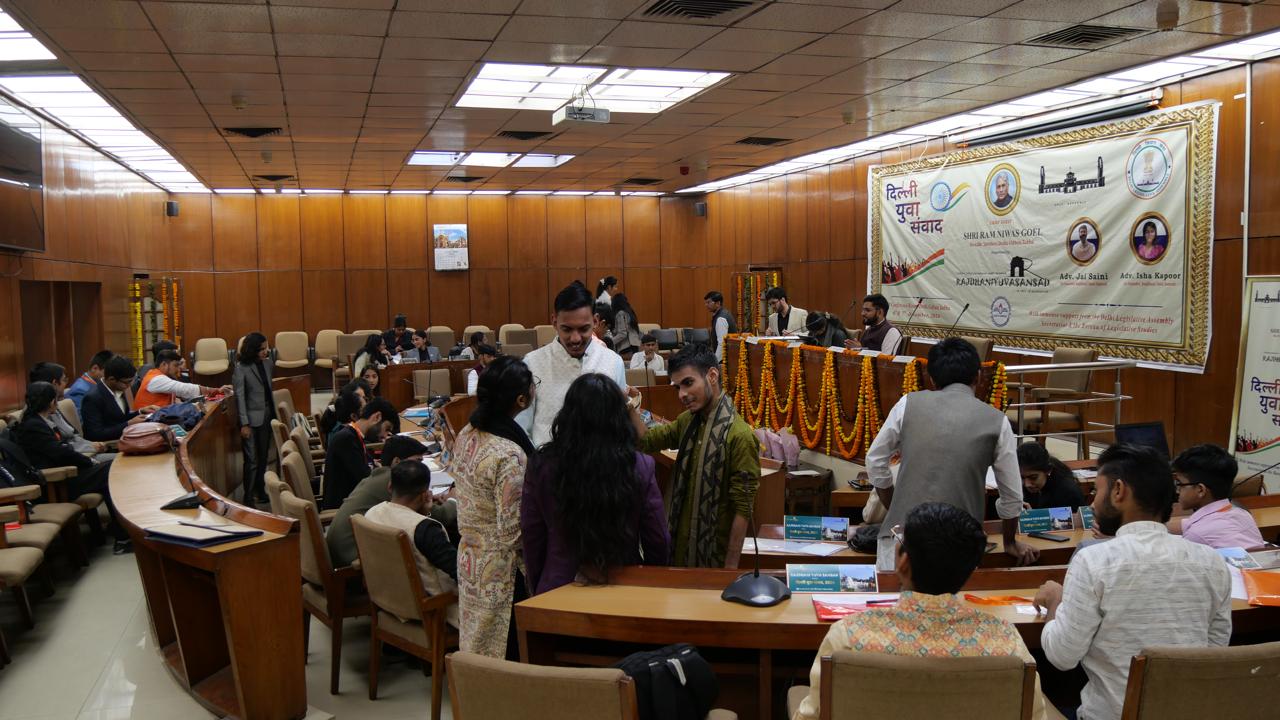
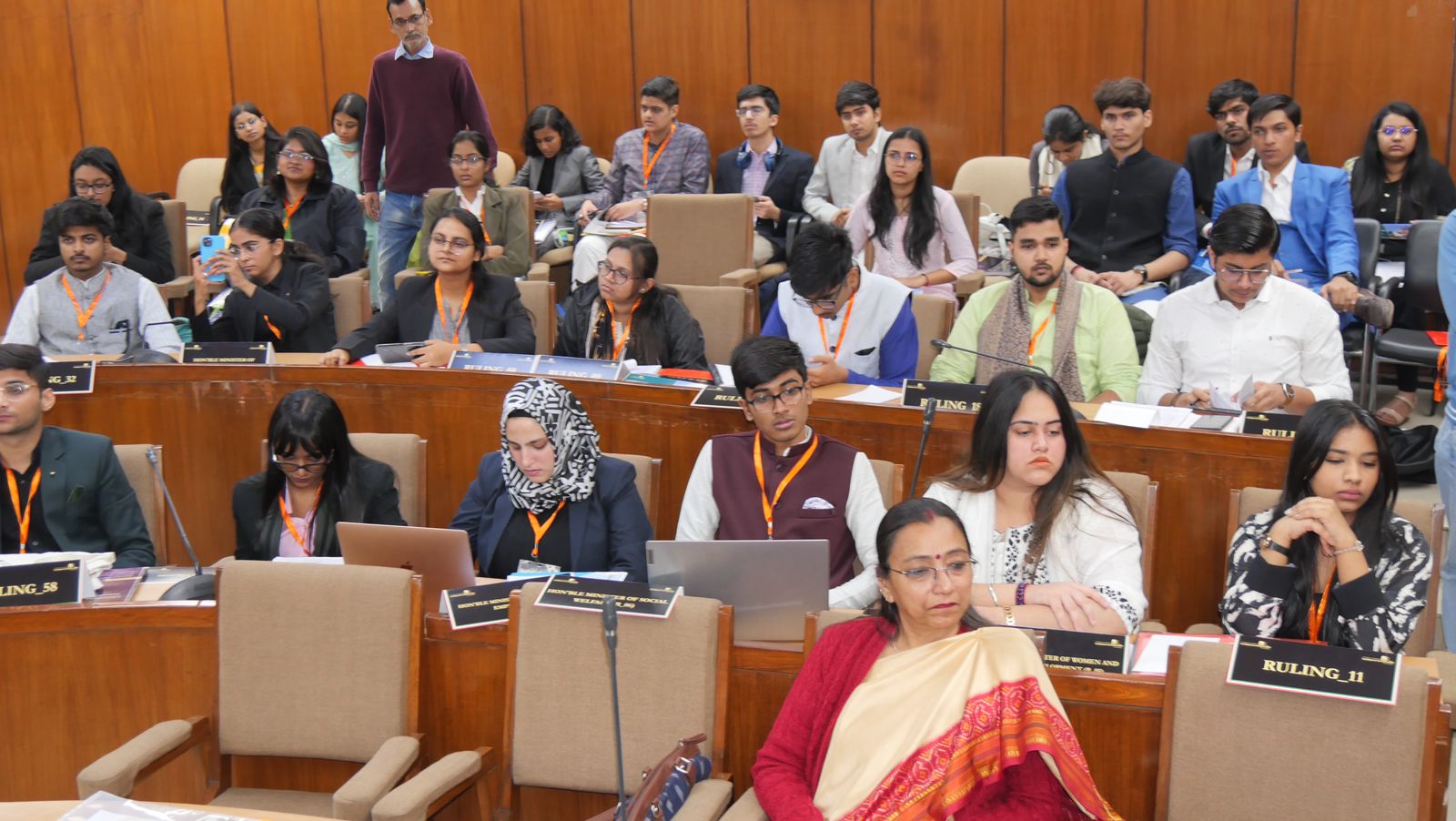
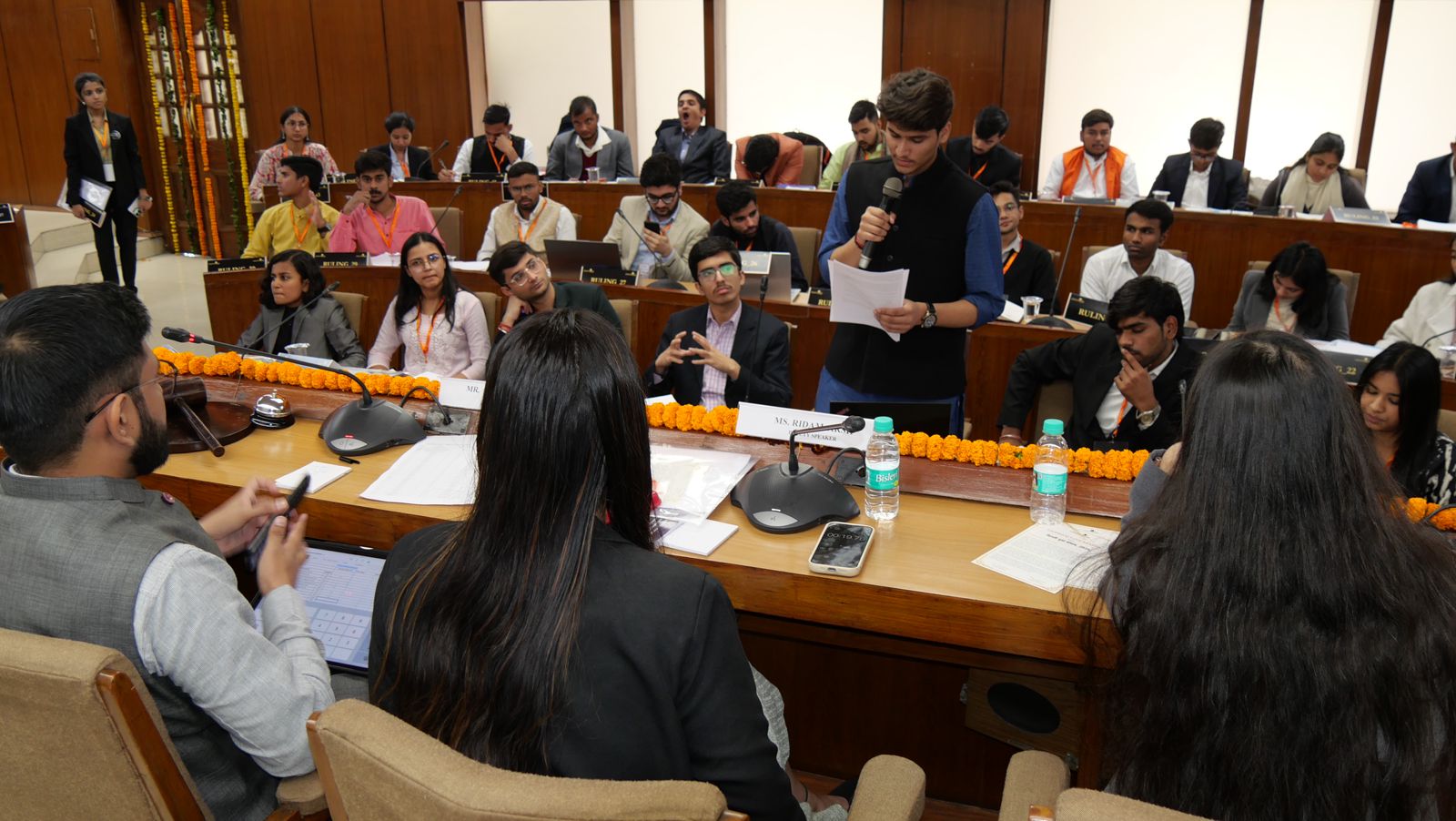
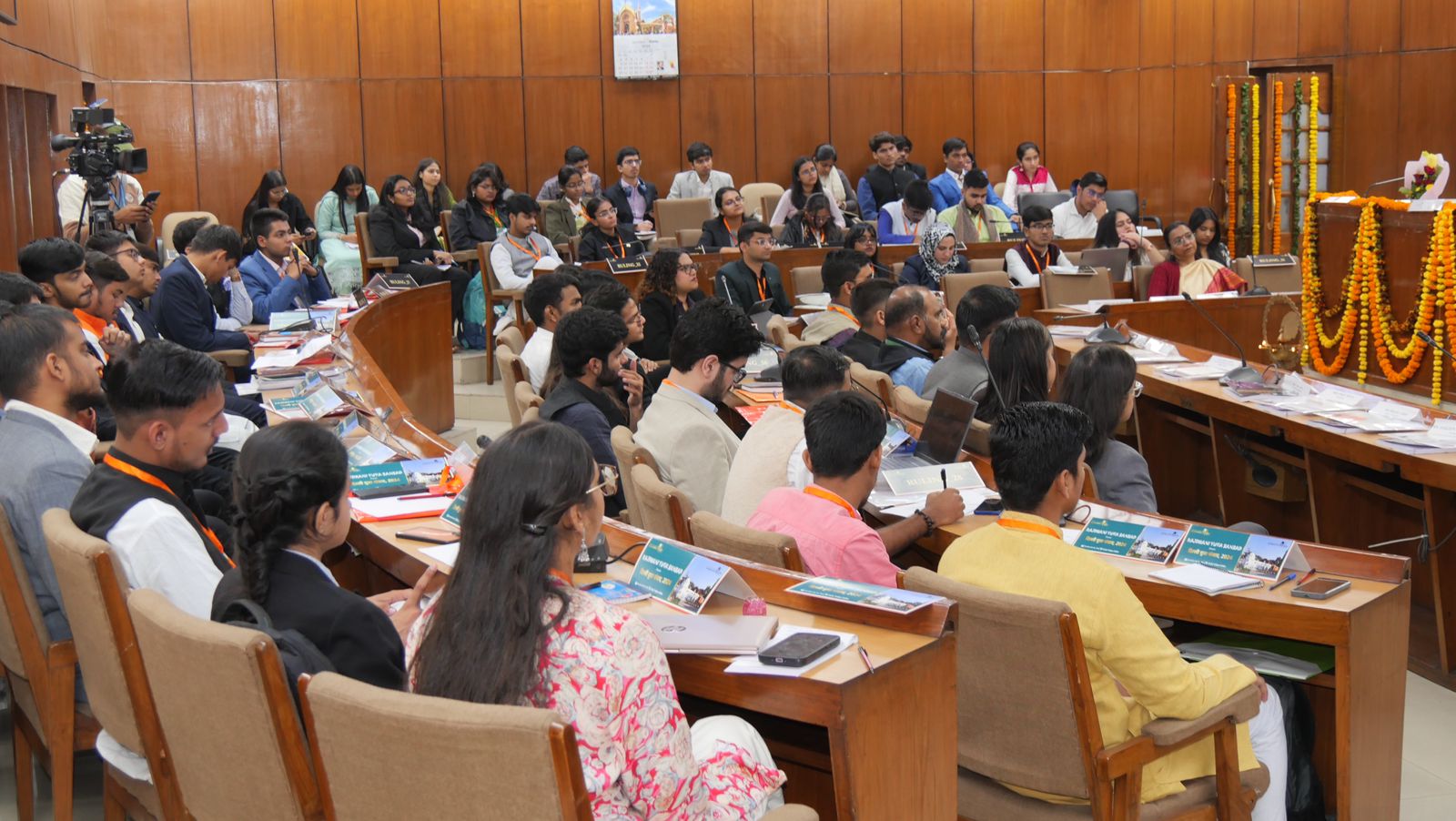
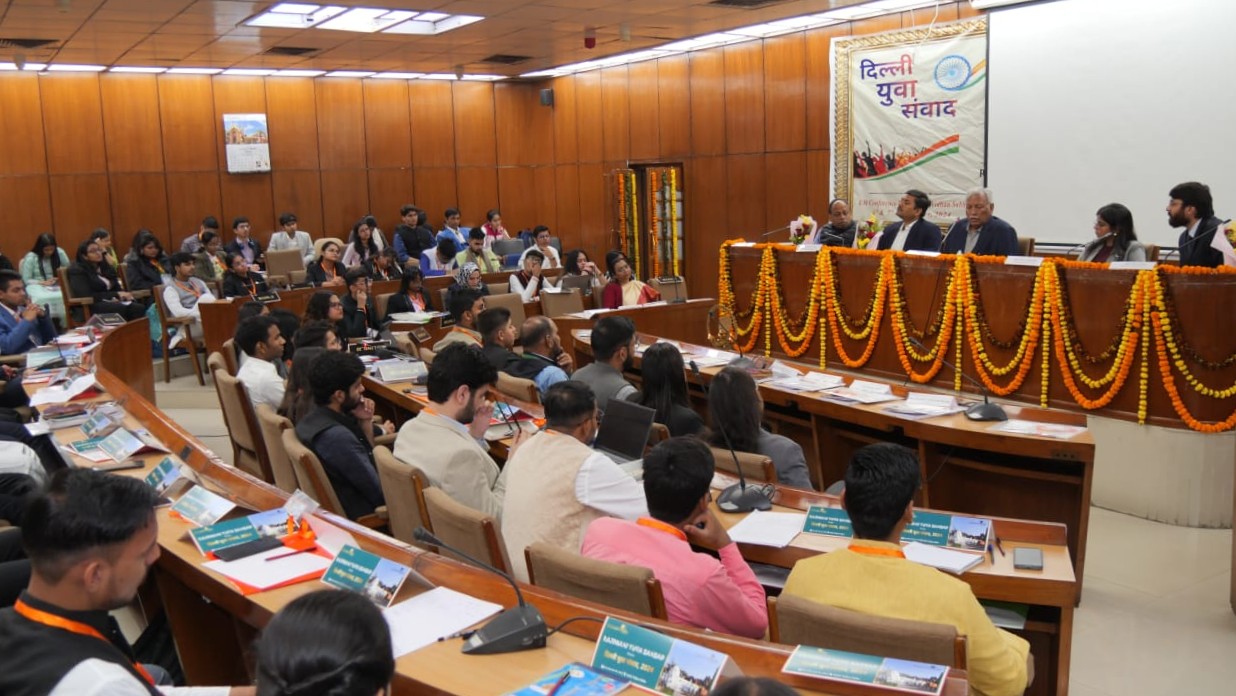
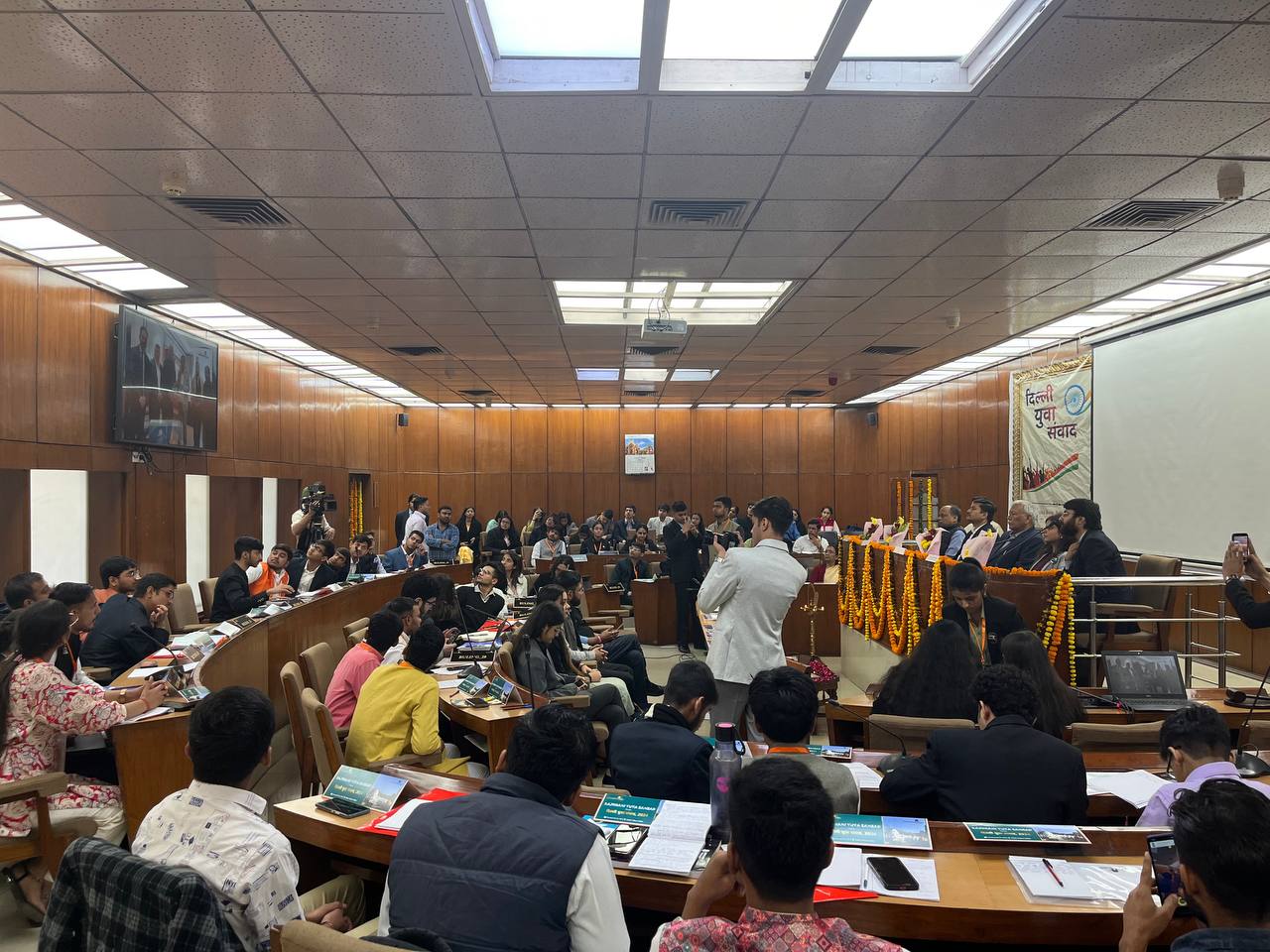
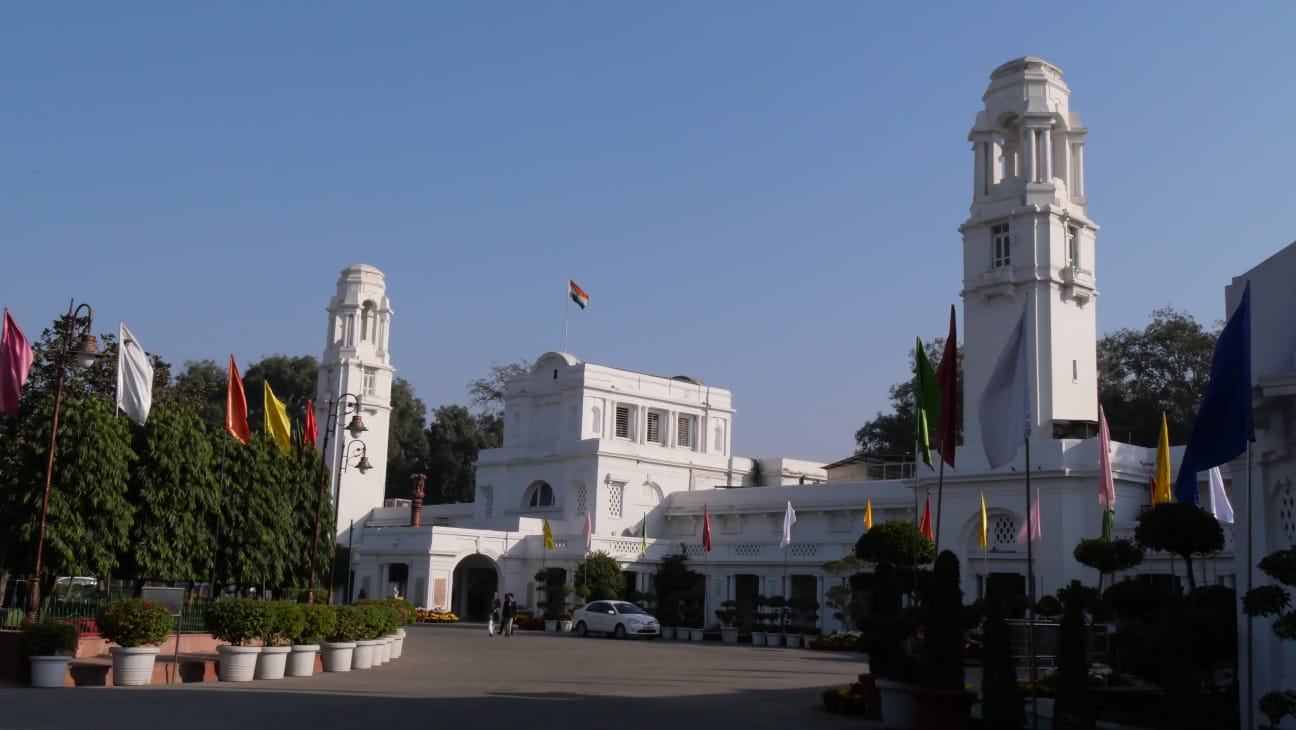
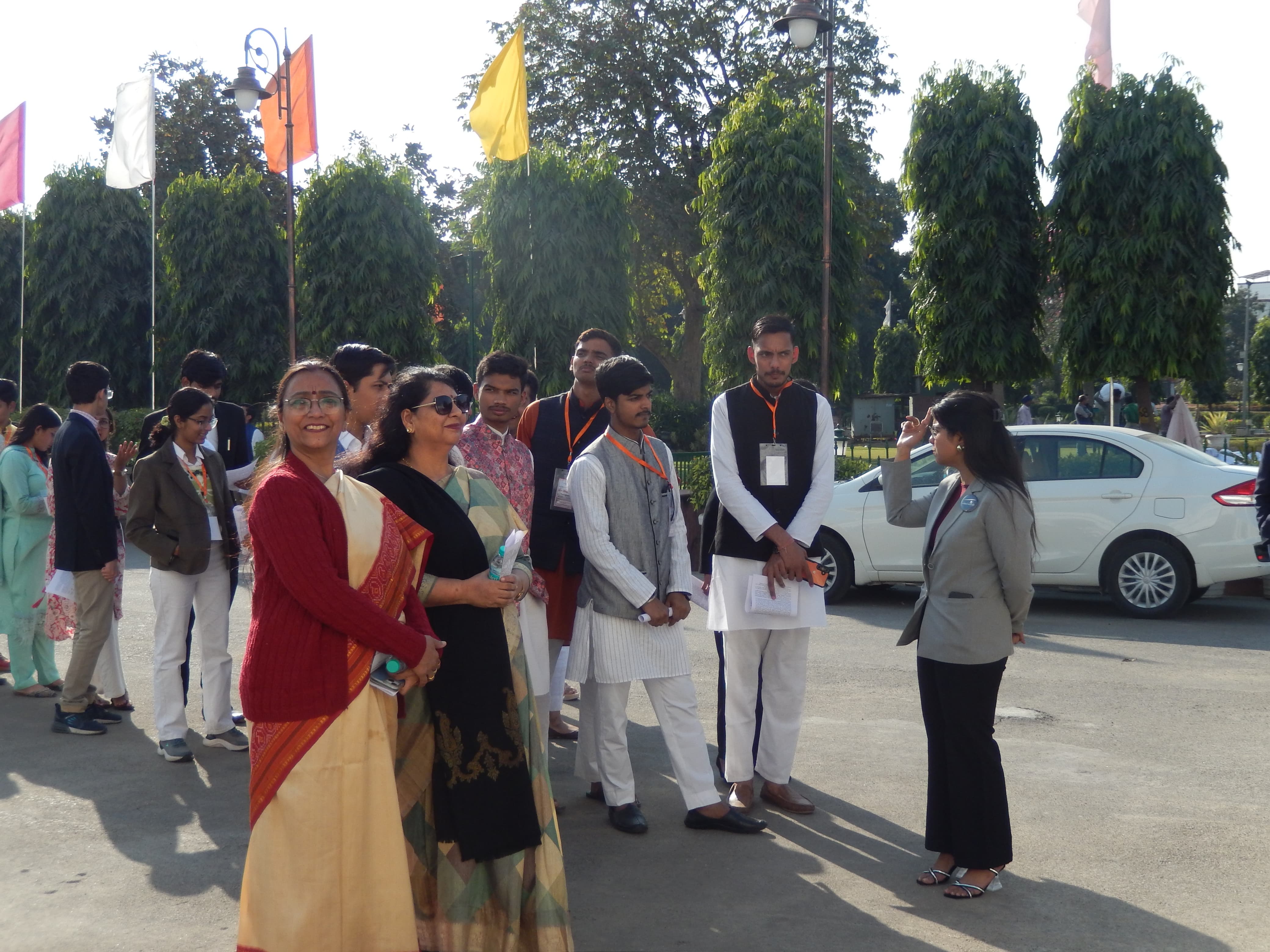
The Delhi Yuva Samvad was held on the 6th and 7th of December 2024 at the CM Conference Room, Delhi Vidhan Sabha — one of India's most iconic legislative institutions. The event brought together 75 participants from across the country, meticulously selected through a rigorous three-step process, to deliberate on the landmark agenda of equal and accessible education for all.
With Shri Ram Niwas Goel Ji — Hon'ble Speaker, Delhi Vidhan Sabha — as the chief convener, the Samvad provided young delegates with an unprecedented opportunity to engage directly with policymakers, legislators, and civil society leaders in the heart of India's democratic process. It stood as a powerful affirmation that youth voices are not just welcome in legislative spaces but essential to them.
What Made This Event Special
- Held at the Delhi Vidhan Sabha — one of India's most iconic legislative institutions
- Chief Guest: Shri Ram Niwas Goel Ji, Hon'ble Speaker, Delhi Vidhan Sabha
- 75 participants selected through a rigorous three-step national selection process
- Participants guided by seasoned policymakers and legislators
- Focused on pressing social, political, and economic issues facing India
- Paved the way for actionable youth-led solutions and inclusive decision-making
Inaugural Ceremony
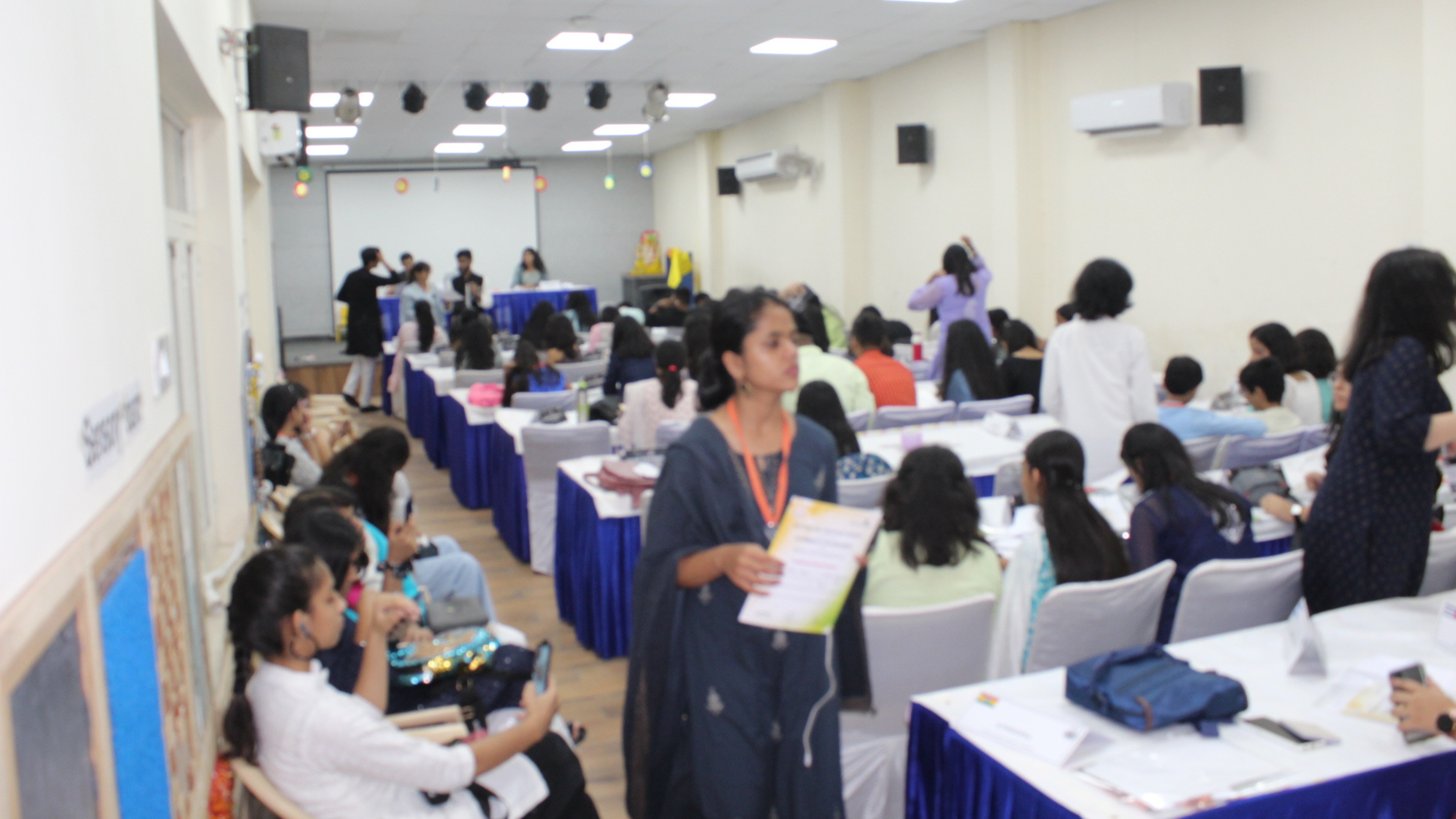
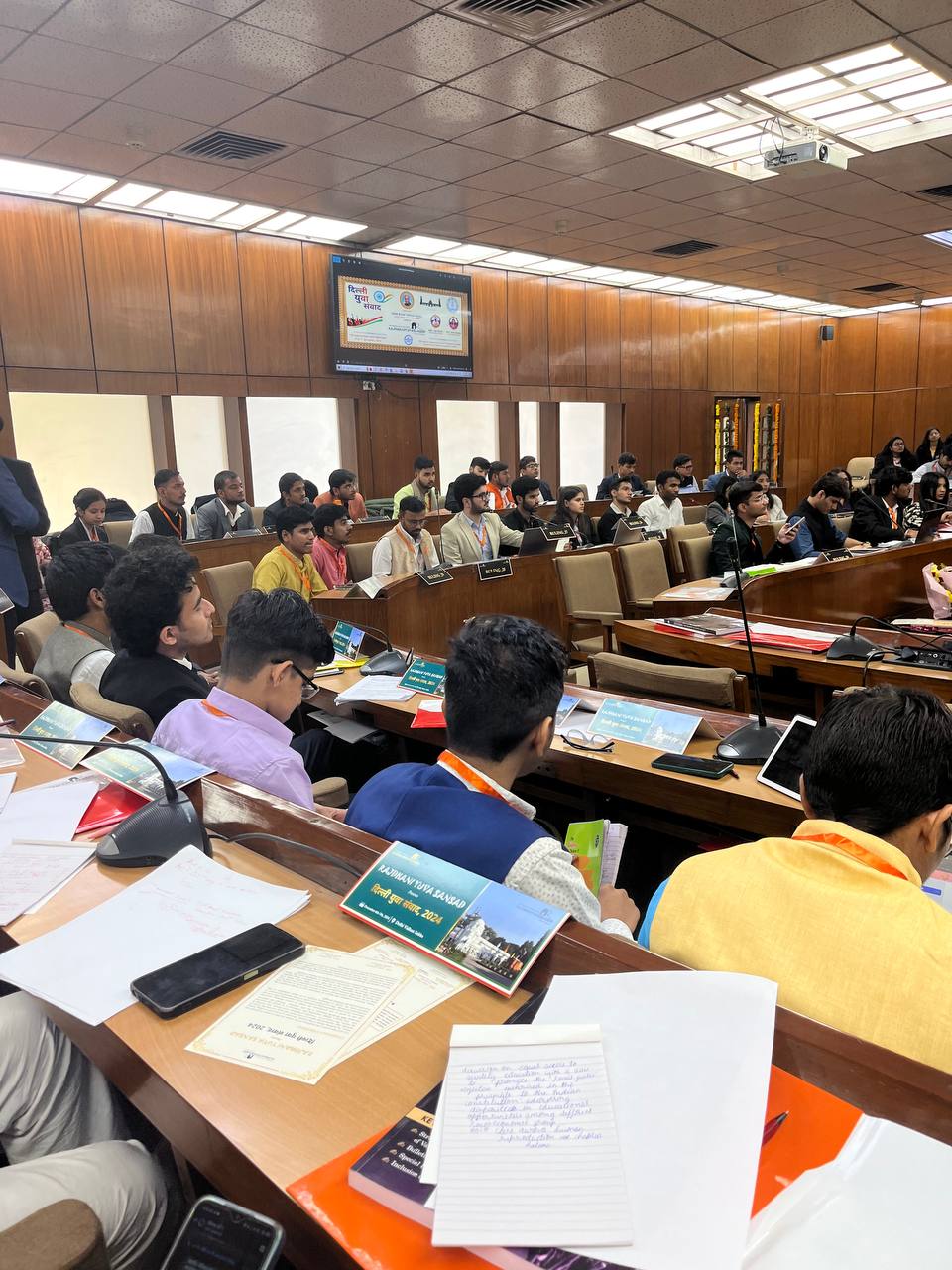
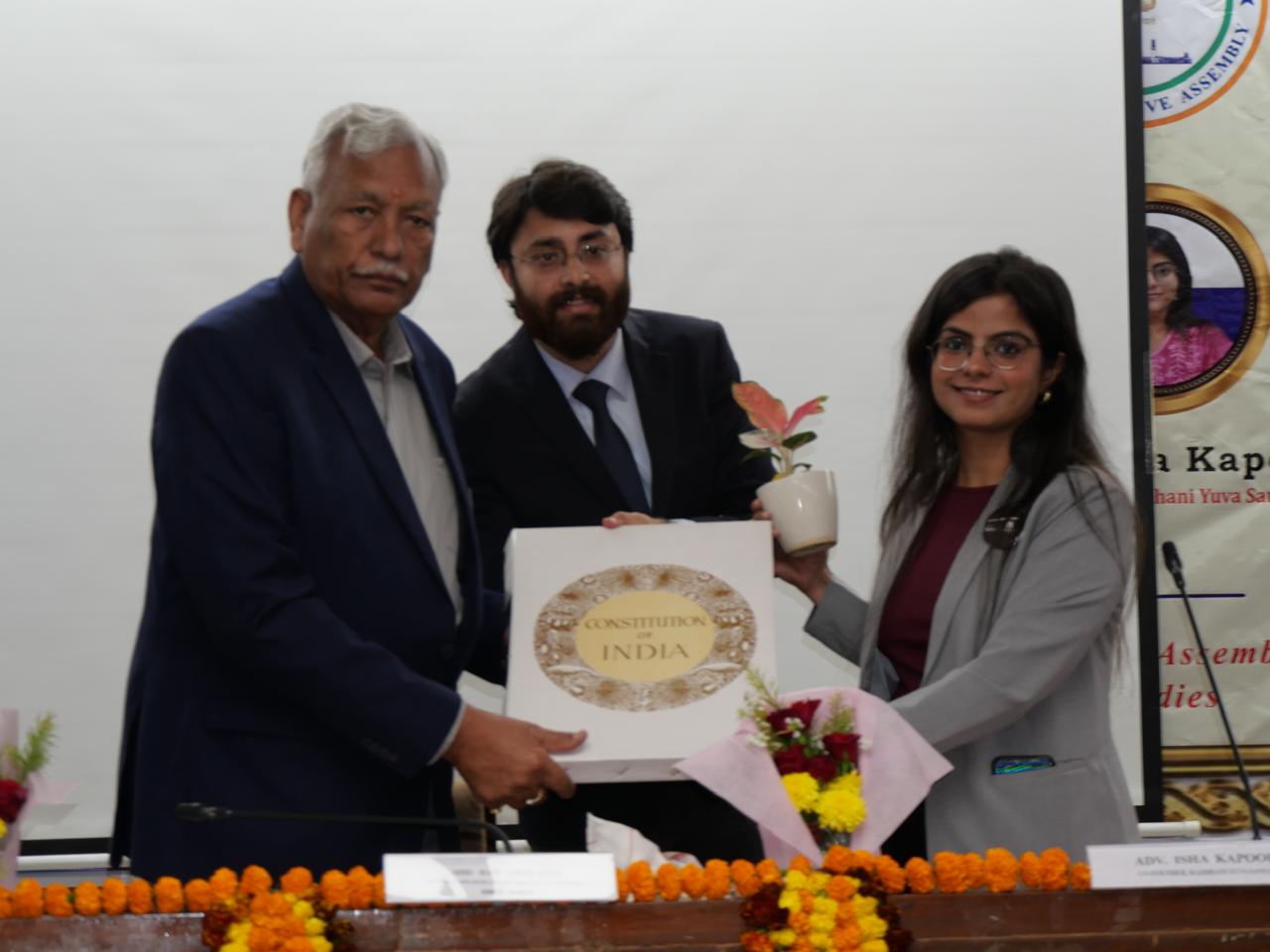
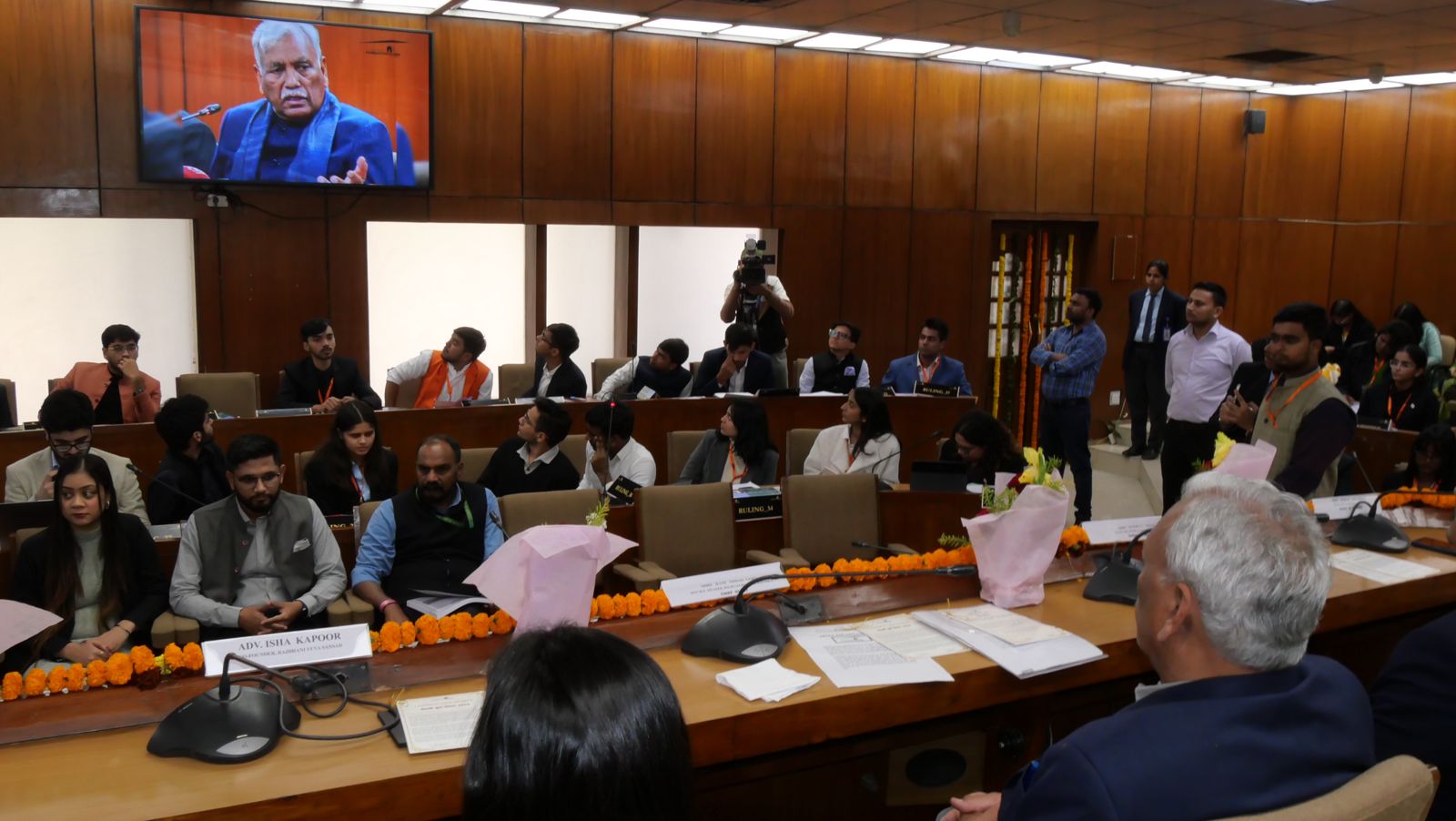
The inauguration of the Delhi Yuva Samvad was a moment of great significance, with Shri Ram Niwas Goel Ji warmly welcoming Rajdhani Yuva Sansad into the hallowed precincts of the Delhi Vidhan Sabha. He praised RYS for its commitment to nurturing civic-minded youth and expressed his conviction that young people who understand the legislative process are better equipped to contribute to the nation's future.
Co-Founders Isha Kapoor and Jai Saini then delivered a compelling inaugural address, drawing parallels between the Constituent Assembly debates of 1946–49 and the spirit of the Samvad — emphasising that samvad, or dialogue, is not just a method but the very soul of democracy. Their words set a high intellectual and moral tone for the two days of deliberations that followed.
Two Days of Legislative Dialogue
The first day of the Samvad was marked by the Question Hour — a vibrant and intellectually charged exchange in which delegates posed sharp, well-researched questions on India's education system. Participants addressed systemic inequalities, learning outcome gaps, teacher accountability, and the digital divide, demonstrating a remarkable depth of preparation and a sincere commitment to the cause of equal education.
The session produced well-articulated speeches that ranged from passionate personal testimonies to data-driven policy analyses, with many delegates drawing from the experiences of their own communities to make the case for urgent, structural reform. The quality of discourse reinforced the Samvad's central thesis: that young India is ready and capable of shaping its own future.
The second day elevated the Samvad into full parliamentary engagement. Delegates moved into the formal business of the house — introducing private member bills addressing specific gaps in the education system, from rural school funding and mid-day meal quality to inclusive provisions for differently-abled students and access to digital devices in low-income households.
Clause-by-clause discussions brought a new level of rigour to the proceedings, with participants carefully scrutinising, debating, and amending bill provisions in a spirit of collaborative lawmaking. The day concluded with a vote on selected provisions, offering each delegate the powerful experience of democratic decision-making in one of India's most prestigious legislative venues.
Selected Suggestions by Participants
In India, establishing a dedicated educational bank is essential. Although both Union and State governments initiate education loan schemes, they often do not specify a clear delivery mechanism for students at the ground level. As a result, many students, especially in rural areas, face rejection or discouragement when approaching banks. There is also no strong regulatory enforcement to ensure fair and timely access. Government-aided banks such as SBI, PNB, and Bank of Baroda focus on broader institutional objectives, and students are frequently asked to provide collateral for education loans. A government-run educational bank would make loan access more transparent, accountable, and practical, particularly for students from rural and underserved communities.
The government should introduce tangible incentives — including conditional cash transfers, free uniforms, books, and meals — to drive school enrolment in rural and economically marginalised communities, particularly for girls and children from scheduled caste and tribe backgrounds.
All government schools should be mandated to provide full physical accessibility infrastructure, trained special educators, and adaptive learning materials for students with disabilities — ensuring that inclusive education is not an exception but the norm across the country.
The existing 25% reservation for economically weaker sections in private schools under the RTE Act must be rigorously enforced, with enhanced monitoring mechanisms, financial support for schools to comply, and clear accountability frameworks to prevent exclusion of eligible students.
Valedictory Ceremony
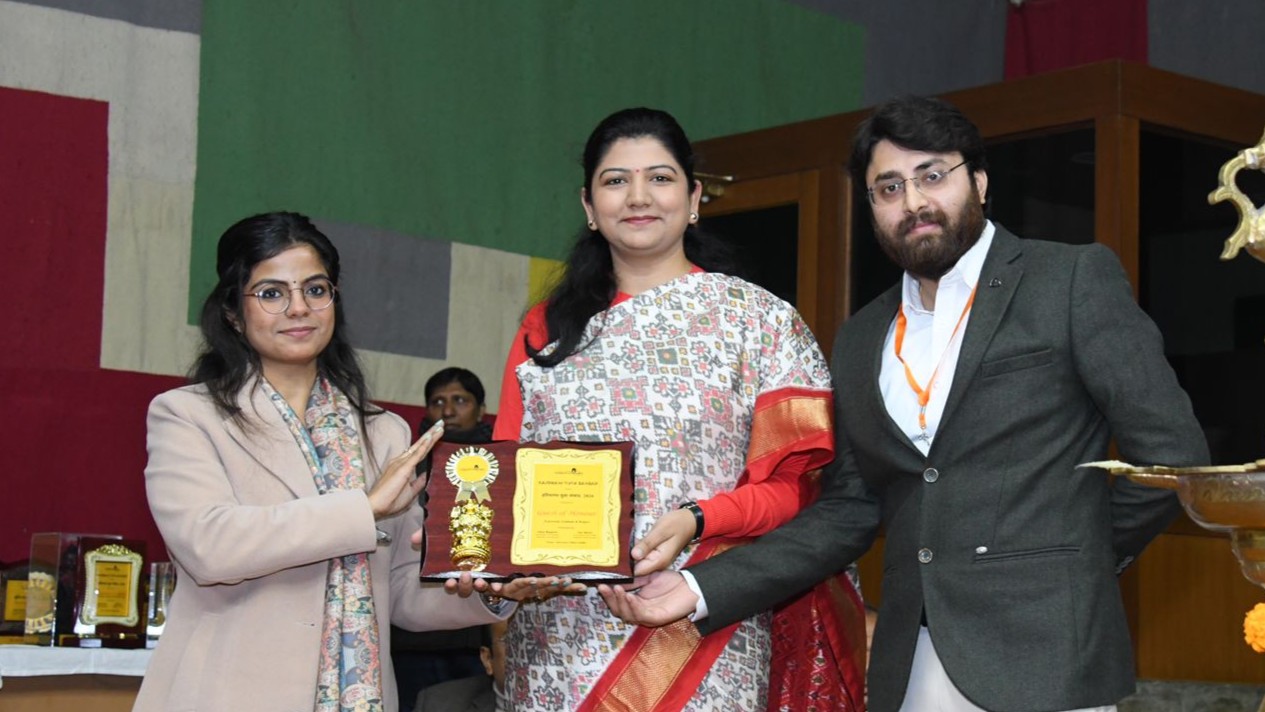
The Valedictory Ceremony of the Delhi Yuva Samvad was graced by Adv. Piyush Gupta and Shri Shiv Vats, whose closing addresses celebrated the courage, conviction, and calibre of every delegate who had participated in the Samvad. Awards were distributed across categories recognising the best speakers, most impactful proposals, and outstanding overall contributions to the proceedings.
The Co-Founders brought the two-day journey to a solemn and stirring conclusion, reflecting on the Samvad's significance as a step toward a more socially just and educationally equitable India. They challenged every delegate to transform the conversations of the Samvad into real-world action — to carry the flame of informed, empathetic, and purposeful citizenship forward into every space they inhabit.
Event in Pictures
⬚⬚⬚⬚⬚⬚⬚⬚⬚⬚⬚⬚⬚⬚⬚